







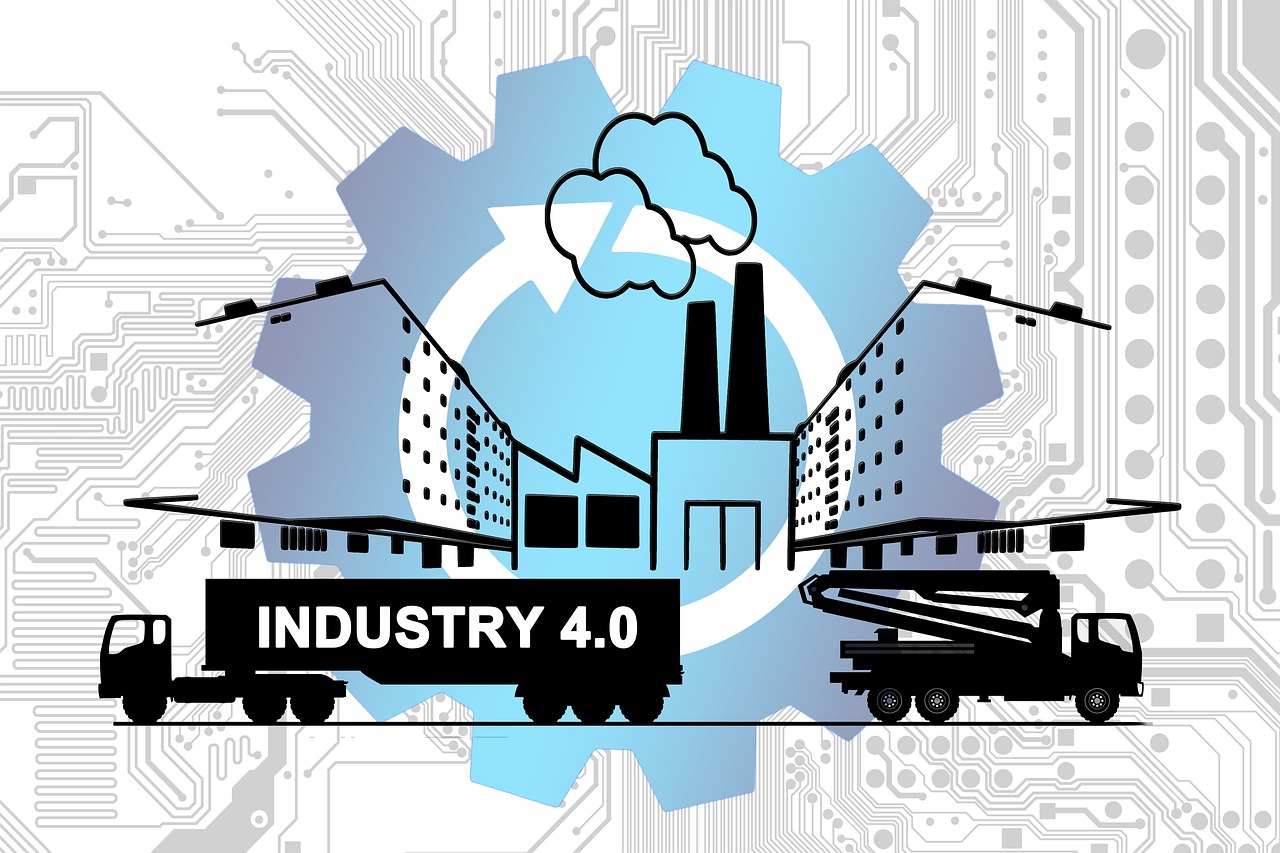
Industrial intelligence is no longer a buzzword confined to research labs; it is becoming a measurable asset on the factory floor. A seasoned operator who can anticipate how a material will behave after a changeover embodies knowledge that modern AI tools are now able to codify and share.
Why industrial intelligence matters now
Manufacturers are under pressure to boost productivity while reducing waste. Traditional automation focuses on repeatable machine settings, but the real edge lies in combining those settings with the nuanced, experience‑based insights that have historically lived only in the minds of workers. By digitizing this tacit expertise, companies can achieve faster line restarts, fewer defects, and smoother shift transitions.
Key components of modern industrial intelligence
Today’s industrial‑intelligence platforms blend several technologies:
- Sensor data streams that capture temperature, vibration, and flow in real time.
- Machine‑learning models trained on historical production logs to predict optimal parameters for new batches.
- Knowledge‑capture tools such as voice‑activated logs or augmented‑reality prompts that record operator observations during changeovers.
- Integration layers that connect shop‑floor data with enterprise‑resource‑planning (ERP) systems, ensuring that insights are actionable across the organization.
When these pieces work together, the resulting system can suggest, for example, the precise spindle speed for a newly sourced alloy based on both sensor feedback and the subtle cues an operator noted during the previous shift.
How manufacturers can start leveraging industrial intelligence
Adopting industrial intelligence does not require a full‑scale digital overhaul. Companies can begin with low‑risk pilots that focus on high‑impact areas such as line restart after changeovers or quality checks for critical components. The steps typically include:
- Identify a process where operator insight repeatedly influences outcomes.
- Deploy sensors and a simple data‑logging interface to capture objective variables.
- Use a lightweight AI platform to correlate sensor data with operator notes and production results.
- Validate the model’s recommendations on a trial basis before scaling.
Success stories from early adopters show reductions in downtime of up to 15 percent and a noticeable lift in first‑pass yield, even though exact figures vary by plant. The key takeaway is that the value emerges from the synergy of data and human expertise, not from either alone.
For firms that already employ advanced analytics in other domains, extending those capabilities to the shop floor is a natural next step. The challenge lies more in cultural adoption—encouraging operators to trust algorithmic suggestions and to contribute their observations consistently—than in the technology itself.
As the manufacturing sector continues to digitize, industrial intelligence is poised to become a core differentiator. Companies that capture and operationalize both documented procedures and the “unwritten” knowledge of their workforce will be better equipped to meet the demands of custom‑order production, tighter quality standards, and rapidly shifting market conditions.
This article is based on publicly reported information at time of writing.