







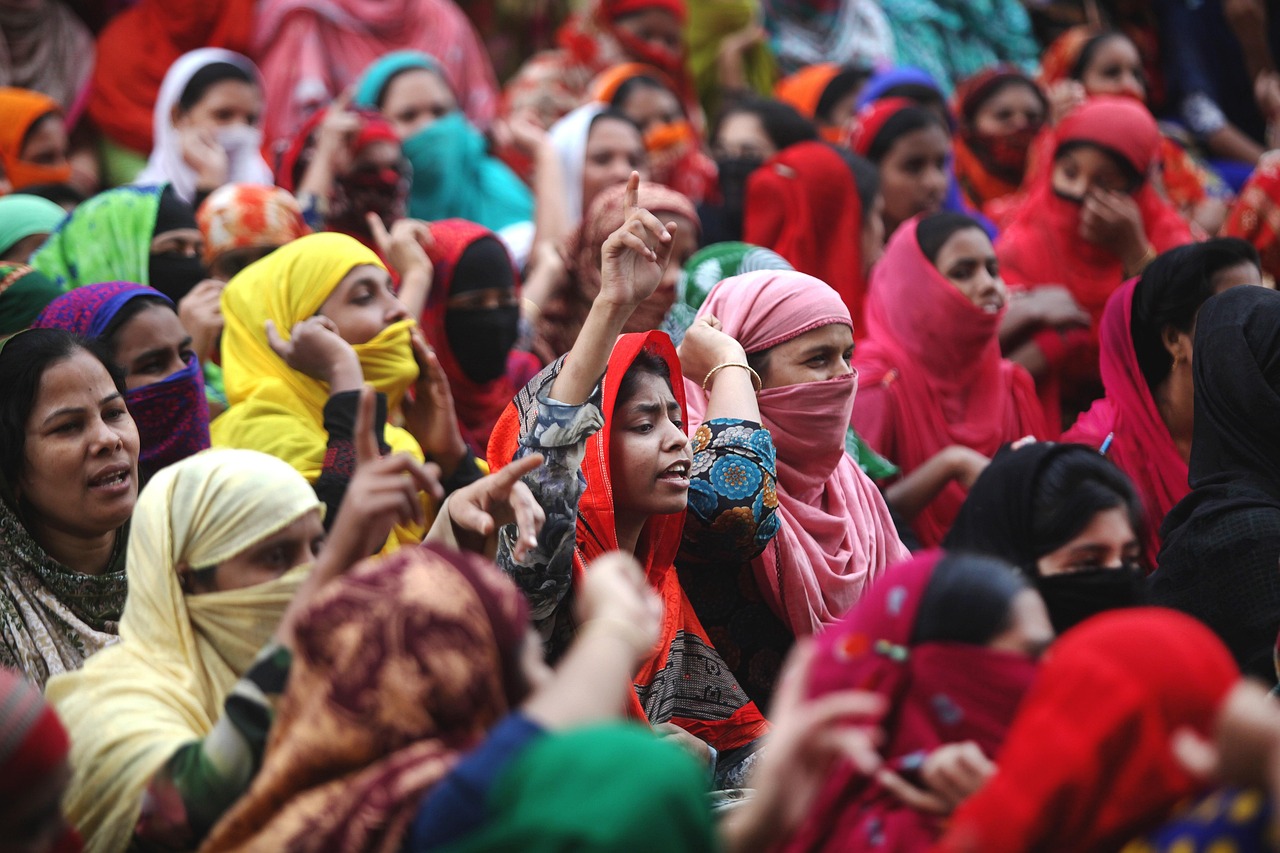
In Vitoria, a planned eviction has sparked a wave of protests, police deployments, and a heated public debate about housing rights. The case, referred to in Spanish media as “desahucio Vitoria,” illustrates the friction between vulnerable tenants, property owners, and law‑enforcement agencies.
Eviction Vitoria: Why the case matters nationally
The incident has become a focal point for broader concerns about Spain’s eviction procedures. Media outlets report that two individuals were detained after the regional police force, the Ertzaintza, attempted to disperse demonstrators gathered to block the removal of a family with six children. The intensity of the response suggests that the situation resonates beyond the local community.
Eviction Vitoria: Police presence and community response
According to reports, the Ertzaintza deployed significant police resources to the neighborhood where the family lives. Demonstrators formed human barriers, and the confrontation resulted in arrests. The police action underscores the challenges authorities face when enforcing court‑ordered evictions that meet strong public opposition.
Local residents and activist groups have expressed solidarity with the family, arguing that the eviction threatens the welfare of six minors. Social media activity surrounding the term “desahucio Vitoria” has surged, indicating heightened public interest and a desire for real‑time updates on the unfolding events.
Background on the family’s housing dispute
The owners of the apartment are described as “vulnerable” and have been engaged in a legal battle for five years. While details of the litigation are not fully disclosed, the prolonged nature of the dispute suggests complex ownership or financial issues that have delayed a resolution. The family’s continued residence in the property has been contested, leading to the current court order for eviction.
Legal experts note that Spain has seen an increase in eviction cases over the past decade, often tied to economic pressures and the tightening of mortgage regulations. The Vitoria case reflects how individual circumstances can become emblematic of systemic challenges within the housing market.
Public reaction and media coverage
National news outlets have highlighted the confrontation, emphasizing the human dimension of the story. Headlines stress the presence of six children, the vulnerability of the landlord, and the police’s role in attempting to enforce the eviction. The coverage has contributed to a broader discussion about the balance between property rights and social welfare.
Opinion pieces in Spanish newspapers argue that the legal system should prioritize alternative solutions, such as mediation or social housing, before resorting to forced removal. The Vitoria incident is frequently cited as a case study for policymakers seeking to reform eviction procedures.
Potential outcomes and next steps
At this stage, the eviction has not been carried out, and the family remains in the apartment. The legal process may still allow for appeals or negotiations, especially given the public pressure and the owner’s reported vulnerability. Authorities could opt for a temporary suspension of the eviction order while further investigations proceed.
- The family consists of six children, increasing the social sensitivity of the case.
- Two protesters were detained during the police intervention.
- The property owner has been involved in a five‑year legal dispute.
Regardless of the final decision, the Vitoria episode illustrates how eviction cases can quickly become flashpoints for community activism and media scrutiny. It also highlights the need for clearer mechanisms to protect both tenants and landlords in contentious housing situations.
This article is based on publicly reported information at the time of writing.
Source: El Mundo