





Imagine stepping outside on a crisp October night in Britain and looking up to see ribbons of pink and green dancing across the sky. Recent social media buzz and a handful of news reports suggest that such a scene could become more than a rare photo‑op – the aurora borealis may be visible over parts of the United Kingdom in the coming weeks.
Why the aurora borealis is suddenly on British headlines
The surge in interest stems from three recent stories. A Yahoo News UK photo gallery highlighted stunning images of the northern lights that turned an island’s horizon pink, sparking curiosity among readers. The Daily Express reported that the Met Office has issued a major update warning of possible auroral displays over the UK on Sunday. Finally, the International Business Times UK hinted that the eerie spectacle seen on Halloween could be a prelude to another dazzling display.
What causes the aurora borealis and how it reaches the UK
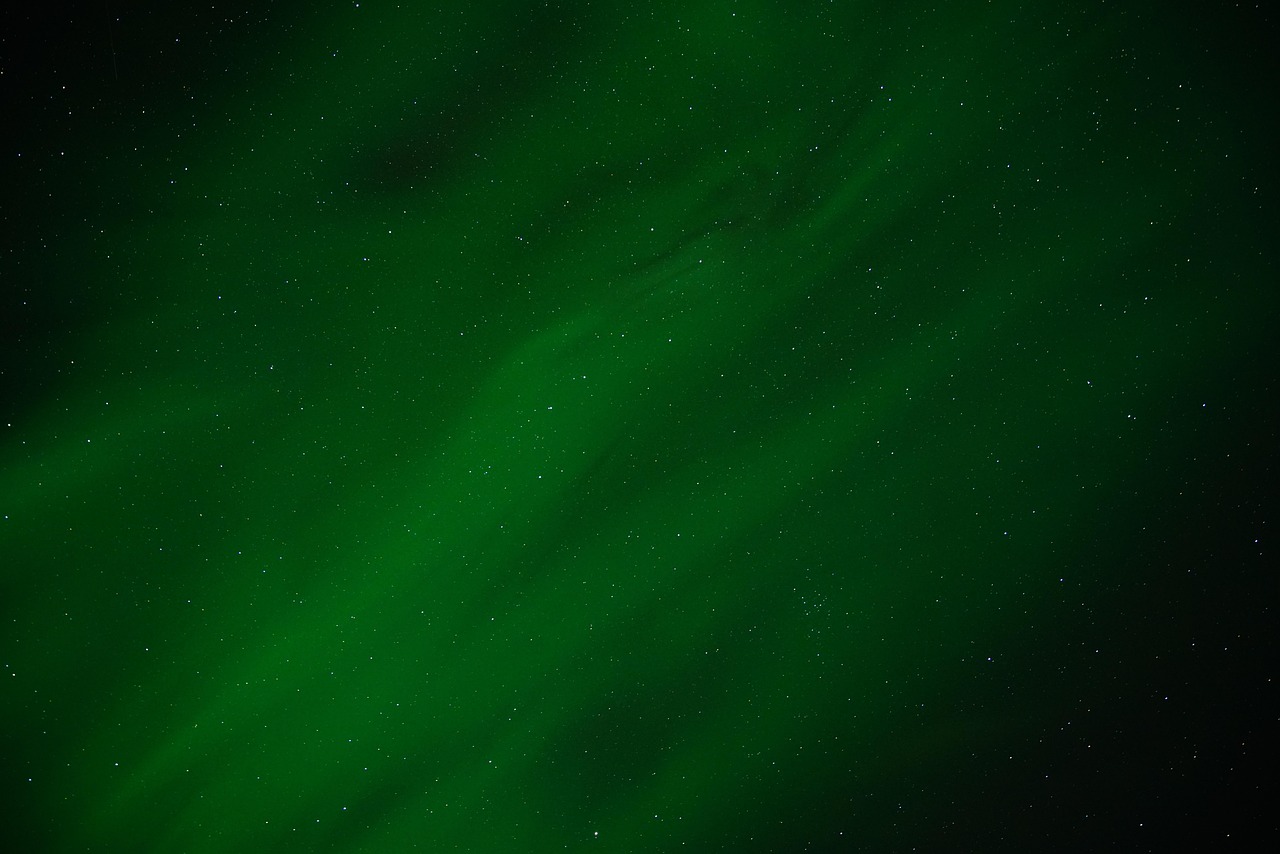
The aurora borealis, or northern lights, is a natural light display generated when charged particles from the Sun interact with Earth’s magnetic field and upper atmosphere. Solar wind streams, especially during periods of heightened solar activity, funnel electrons toward the polar regions where they collide with oxygen and nitrogen atoms, releasing photons that form the characteristic curtains of light.
Although the phenomenon is most common above the Arctic Circle, strong geomagnetic storms can push the auroral oval farther south. When the oval expands, high‑latitude locations such as Scotland, northern England, and even Ireland can experience visible activity. The Met Office’s recent advisory indicates that current solar conditions are favorable for such an expansion.
What the public is searching for
Google trends in Great Britain show a sharp rise in searches for “northern lights” and “aurora borealis” over the past week. The spike aligns with the news cycle and with amateur photographers sharing images of pink‑tinged skies on social platforms. People are looking for practical information: when to look, where to go, and how to capture the event without professional equipment.
Best chances to see the aurora borealis in the UK
Visibility depends on three factors: geomagnetic activity, clear dark skies, and minimal light pollution. The Met Office predicts the highest likelihood on Sunday night, particularly after midnight, when the geomagnetic K‑index is expected to reach levels that have historically produced UK sightings.
- Head to locations with low artificial light – rural Scotland, the Lake District, or the coasts of Wales are popular spots.
- Check real‑time aurora forecasts from services such as SpaceWeatherLive or the UK Met Office’s Space Weather page.
- Dress warmly and bring a sturdy tripod if you plan to photograph the display.
What to expect if the aurora appears
Unlike the vivid, steady greens often seen in high‑latitude regions, UK sightings tend to be brief and may feature softer colours like pink or pale purple, as the recent Yahoo photo series demonstrated. The display can last from a few minutes to an hour, with the most intense moments occurring around the peak of the geomagnetic disturbance.
Even if the lights are faint, the experience is notable for its rarity in the British Isles. Residents who witness the event often describe a sense of awe, noting that the sky seems to come alive with motion that feels both alien and familiar.
Historical context and future outlook
British aurora sightings are not unprecedented. Records date back to the 19th century, with notable events during the Carrington storm of 1859 and the solar maximum of 1989. However, modern monitoring tools allow meteorologists to issue precise alerts, increasing public awareness and preparedness.
Solar cycles repeat roughly every 11 years, and we are currently approaching a period of increased activity. While the next major solar maximum is expected later in the decade, occasional strong storms can still produce UK‑visible auroras, as the recent Met Office update illustrates.
For anyone interested in astronomy, atmospheric science, or simply the beauty of the night sky, keeping an eye on space‑weather forecasts this week could reward them with a rare glimpse of the aurora borealis over Britain. Stay informed, stay warm, and enjoy the show.
This article is based on publicly reported information at time of writing.
Source: Yahoo News UK