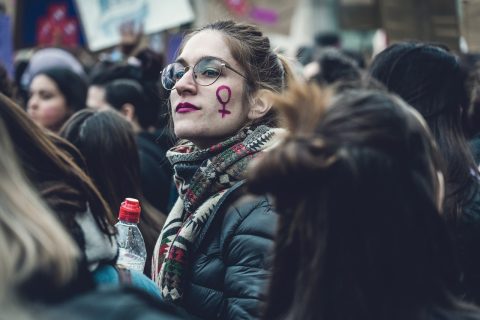







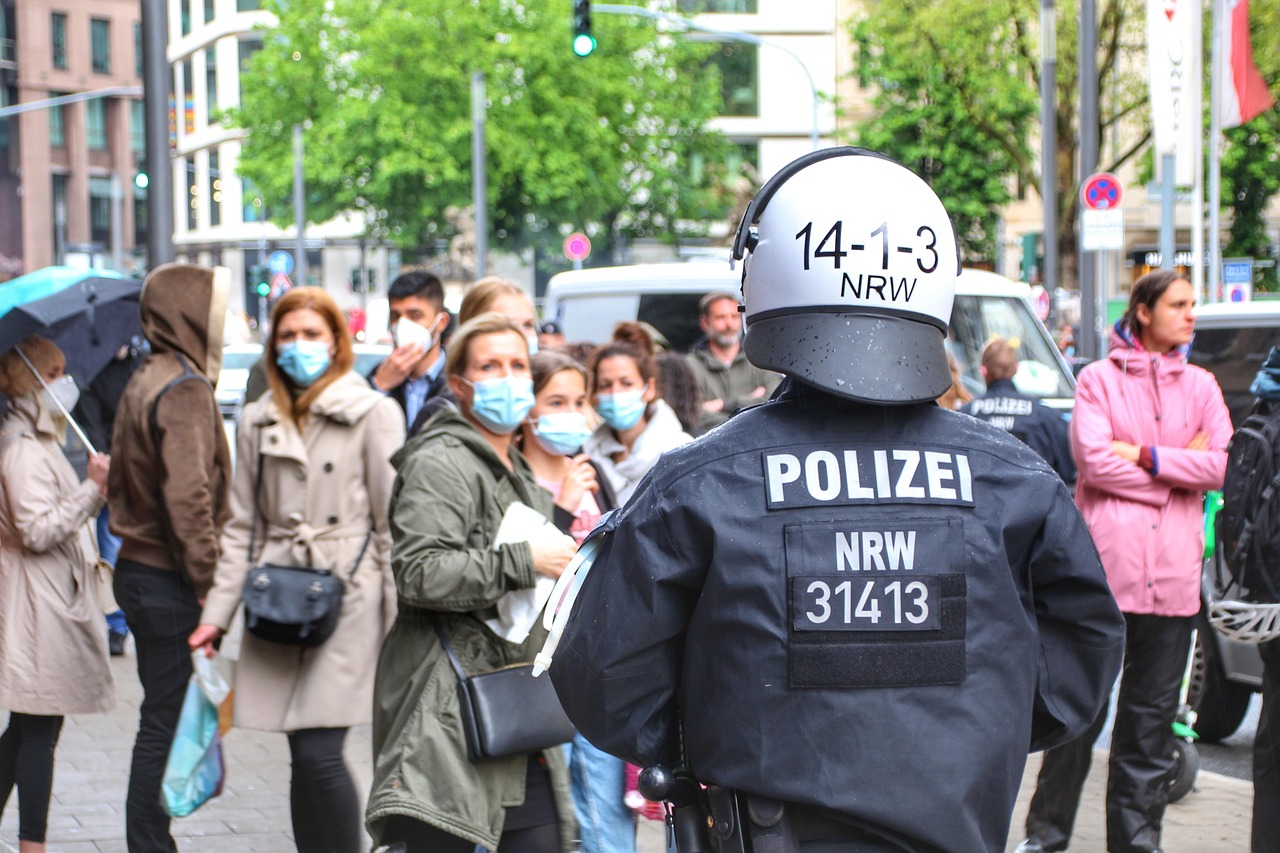
On a chilly evening in Barcelona, police vans lined the streets while a chorus of sirens echoed through the historic quarters. The scene was not just a reaction to the physical clashes, but also a response to a digital surge that helped coordinate the unrest. The Mossos d’Esquadra, Catalonia’s regional police force, have stepped into the centre of the investigation, focusing on the online tools that fueled the protests.
What the Mossos d’Esquadra Are Investigating
According to recent reports, the Mossos have opened a formal inquiry into a platform known as “Blocus,” described as an anonymous service that encouraged violent actions during the disturbances. The investigation aims to trace the origin of the messages that called participants to act, and to determine whether the platform was used to conceal identities.
Simultaneously, authorities are scrutinising the flow of information through popular messaging apps and short‑form video services. The police are gathering digital evidence from WhatsApp groups and TikTok videos that circulated instructions, chants, and real‑time updates during the clashes.
Mossos d’Esquadra and the Role of Online Platforms
Digital coordination has become a hallmark of modern protest movements, and Barcelona is no exception. Participants reportedly moved from private WhatsApp chats to public TikTok posts, creating a feedback loop that amplified the scale of the unrest. The Mossos d’Esquadra are analysing timestamps, user interactions, and the spread of hashtags to map how the protests evolved online.
Investigators have highlighted three key digital channels that appear central to the organization of the events:
- Anonymous forum “Blocus” – alleged to have posted calls for violent action.
- WhatsApp group chats – used for rapid, encrypted coordination among small cells.
- TikTok – served as a broadcast medium for live footage and motivational messages.
By linking these channels, the Mossos hope to identify the individuals or networks behind the coordination, a step they describe as essential to prevent future disturbances.
Political Pressure and Public Demand for Answers
Catalan President Pere Aragonès has publicly pledged to pursue the investigation to its conclusion, stating that the government will not rest until it knows “who is behind” the Barcelona unrest. This political commitment adds pressure on the Mossos d’Esquadra to deliver concrete findings and to demonstrate that law enforcement can adapt to the digital dimension of public disorder.
The public’s interest in the case is reflected in a surge of online searches for “Mossos d’Esquadra” and related terms. Citizens are looking for clarity on the police’s methods, the legal basis for probing anonymous platforms, and the broader implications for freedom of expression in the digital age.
Legal and Ethical Considerations
Investigating anonymous online services raises questions about privacy and the balance between security and civil liberties. Spanish law permits the police to request data from service providers when there is reasonable suspicion of criminal activity, but the threshold for accessing encrypted communications remains a contested issue.
Human rights organisations have warned that over‑reaching surveillance could set a precedent that stifles legitimate dissent. The Mossos d’Esquadra, therefore, must navigate a complex legal landscape while maintaining public trust.
What This Means for Future Protests
The current inquiry may signal a shift in how regional police forces respond to digitally‑orchestrated unrest. If the Mossos successfully trace the origins of the “Blocus” platform and the coordinating channels, it could lead to tighter regulation of anonymous forums and increased monitoring of encrypted messaging services during periods of heightened tension.
Conversely, activists argue that such measures could push coordination further underground, making it harder for authorities to anticipate and mitigate violence. The outcome of the Mossos d’Esquadra’s investigation will likely influence both policing strategies and protest tactics across Spain.
In the meantime, the streets of Barcelona remain a focal point for dialogue about the role of technology in civic expression, the limits of police authority, and the ongoing debate over public order versus individual rights.
— This article is based on publicly reported information at the time of writing.
Source: La Vanguardia