
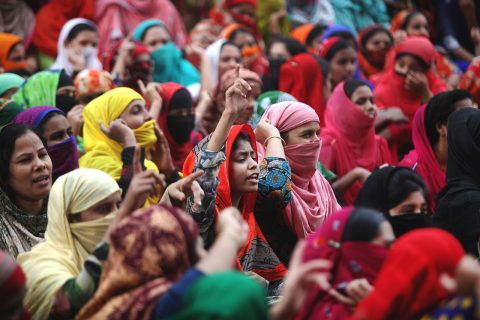






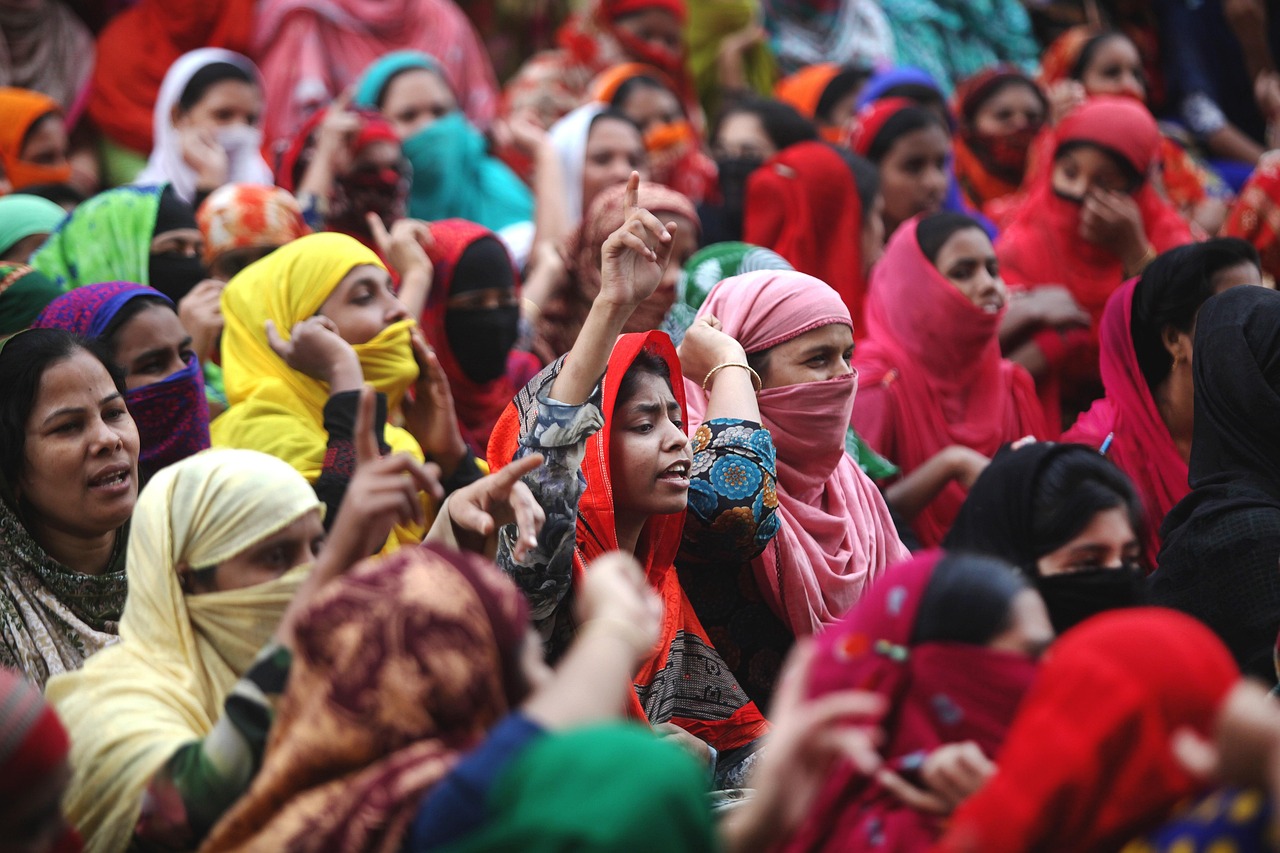
On a chilly Thursday morning, streets across France filled with a sea of demonstrators, turning the capital into a living map of dissent. The November 5 manifestation has become a focal point for nationwide debate about wages, pensions and the broader social contract.
Scale of the November 5 manifestation
Official estimates vary widely. Union counts place the crowd at around 1.6 million participants, while police figures suggest a lower bound of 575,000. The disparity reflects the difficulty of counting a movement that spreads from Paris to smaller towns in a matter of hours.
- Lower estimate: 575,000 protesters
- Higher estimate: 1.6 million protesters
Local newspapers have published city‑by‑city maps that show the intensity of the mobilization, from the industrial north to the tourism‑driven south. This geographic breadth signals that the grievances are not confined to a single sector but cut across the French economy.
Political context of the manifestation
The protest follows months of stalled negotiations between major trade unions and the government. Workers have been pressing for higher wages and a more generous pension scheme, while the administration cites fiscal constraints. The demonstration therefore serves both as a pressure tactic and a public statement of solidarity.
In response, the Élysée palace announced a “social conference” to be held at Matignon on the following Monday. The meeting will bring together representatives of the unions and the employer confederations under the watchful eye of the prime minister. Such conferences have historically been used to broker compromises, though their success depends on the willingness of both sides to make concessions.
What the upcoming social conference could mean
If the talks produce a concrete agreement, the next wave of protests may subside, allowing businesses to resume normal operations. Conversely, a deadlock could reignite street actions, potentially expanding the scope of the movement beyond the original demands.
Analysts note that the French public tends to view large‑scale demonstrations as a legitimate part of democratic dialogue. However, prolonged disruptions can erode public sympathy, especially if essential services are affected.
For observers outside France, the event offers a case study in how modern labor movements leverage both physical presence and media coverage to shape policy debates.
This article is based on publicly reported information at the time of writing.
Source: Le Monde.fr