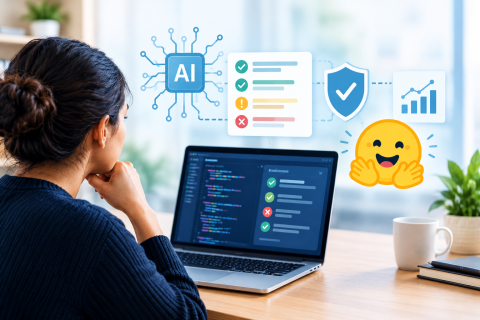








Imagine walking into a room and the lights dim, the thermostat adjusts, and your favorite playlist starts—without you touching a screen or issuing a voice command. At TechCrunch Disrupt, Amazon devices chief Panos Panay painted a picture of that future, suggesting that AI‑powered devices will work silently in the background and eventually make traditional apps obsolete.
How AI devices could replace apps
Panay described a shift from the current app‑centric model to an ambient computing environment where devices anticipate needs. In this scenario, a smart speaker, a refrigerator, or even a wearable could analyze context, preferences, and real‑time data to trigger actions automatically. The idea is to move from “ask‑first” interactions to “do‑first” experiences, reducing the friction of opening an app, navigating menus, and confirming commands.
Why the conversation is gaining traction
The discussion resonates because consumers are already accustomed to voice assistants like Alexa and Google Assistant, but those tools still rely on explicit commands. Recent advances in generative AI and large language models have shown that machines can understand nuanced intent, opening the door to more proactive behavior. As AI becomes more capable, the promise of devices that act without being asked feels increasingly plausible, prompting search interest and media coverage.
What the shift means for developers
If AI devices start handling tasks that apps currently perform, developers will need to rethink how they deliver functionality. Instead of building a mobile or web app that users launch, creators may focus on defining services, data endpoints, and integration points that ambient AI can call. This could lead to a rise in “skill” ecosystems—similar to Alexa Skills—or cloud‑based APIs that power context‑aware actions across multiple devices.
Potential benefits and challenges
Proponents argue that eliminating the app layer could streamline user experiences, reduce battery drain, and lower the barrier for technology adoption among less‑tech‑savvy users. However, the approach also raises privacy concerns, as devices would need continuous access to personal data to make accurate predictions. Security, consent mechanisms, and transparent data handling will become critical factors in gaining user trust.
Another practical challenge is interoperability. For AI devices to replace apps across a household, they must communicate seamlessly with a wide range of third‑party hardware and services. Industry standards and open protocols will likely play a pivotal role in ensuring that the ecosystem does not become fragmented.
Amazon’s own portfolio—ranging from Echo speakers to Ring cameras—positions the company to experiment with this model at scale. Panay’s comments suggest that the firm is already exploring ways to embed generative AI into its devices, potentially turning them into proactive assistants that act on behalf of users.
While the timeline remains uncertain, the conversation signals a broader trend toward ambient intelligence. As AI models become more sophisticated and hardware costs continue to drop, the vision of devices that anticipate needs without explicit commands could move from speculative talk to everyday reality. The next few years will likely reveal how quickly the industry can address the technical, ethical, and regulatory hurdles involved.
This article is based on publicly reported information at the time of writing.