







What if a tiny gadget could turn a casual chat into a structured to‑do list while you’re on the go? Amazon’s Bee launches two new personal AI devices that promise exactly that, and they start at just $74.99.
Amazon’s Bee launches two new personal AI devices: the updated wearable
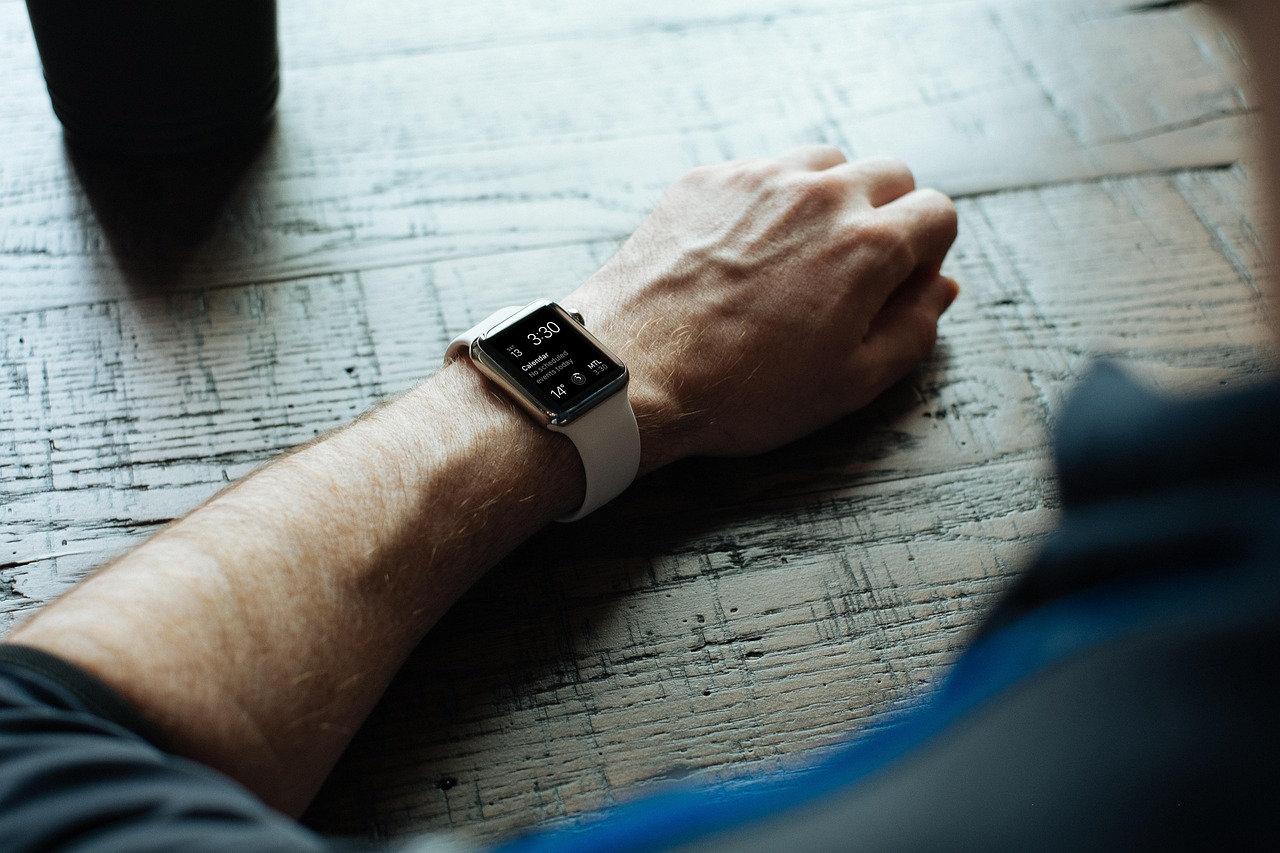
The first of the pair is a refreshed wearable that builds on Bee’s earlier prototype. Designed to sit comfortably on the wrist, the device leverages on‑device AI to capture spoken snippets and generate concise summaries. Users can tap the unit to trigger a quick note‑taking mode, which then syncs with Alexa for voice‑controlled reminders.
Pricing begins at $74.99, making it one of the most affordable AI‑enhanced wearables on the market. The hardware includes a microphone array, a low‑power processor optimized for natural‑language tasks, and Bluetooth connectivity for seamless pairing with smartphones.
Amazon’s Bee launches two new personal AI devices: the credit‑card‑sized recorder
The second offering is a credit‑card‑sized recorder that attaches to a phone’s charging port. Despite its modest dimensions, the recorder houses a dedicated AI chip capable of real‑time transcription and context‑aware summarization. When placed near a conversation, it can produce a brief recap that appears in the user’s Alexa app within seconds.
Beyond transcription, the recorder can automatically create to‑do lists from action items it detects, and it links directly to Amazon Shopping for quick product purchases mentioned during a discussion.
Why the buzz? Context and capabilities
Bee, an Amazon‑owned startup, has been quiet since its acquisition, and this launch marks its first hardware rollout under Amazon’s umbrella. The devices arrive at a time when personal AI assistants are moving from smartphones to dedicated wearables and accessories, a shift driven by privacy concerns and the desire for always‑on assistance without draining phone batteries.
Key capabilities highlighted by the announcement include:
- Conversation summarization: AI condenses spoken exchanges into short text snippets.
- Automated to‑do list creation: Action items are detected and added to Alexa reminders.
- Alexa and Amazon Shopping integration: Voice commands and purchase suggestions flow directly to Amazon services.
These functions align with broader trends in edge AI, where processing happens locally on the device rather than in the cloud. That approach reduces latency, conserves bandwidth, and addresses data‑privacy worries, especially important for devices that constantly listen.
Industry observers note that the $75 price point undercuts many competing smart wearables, positioning Bee’s products as entry‑level options for consumers curious about AI but hesitant to invest heavily. The affordability also suggests Amazon may be using the devices to gather usage data that can refine its larger AI ecosystem, including Alexa’s natural‑language models.
While the announcement provides clear specifications, some details remain vague. Exact battery life, the range of supported languages, and the extent of third‑party app compatibility have not been disclosed. Potential buyers should watch for follow‑up information from Amazon or independent reviews before making a purchase.
Overall, the launch reflects Amazon’s strategy to embed AI deeper into everyday objects, turning ordinary interactions into structured, actionable data. Whether the market embraces these modestly priced gadgets will depend on real‑world performance and how well they integrate with the broader Amazon ecosystem.
This article is based on publicly reported information at the time of writing.