






Imagine a computer that could read every twist and turn of the human genome as easily as it scans a photo. The promise of such AI is tantalizing, yet the reality is that AI isn’t ready to tackle our convoluted genomes in any reliable way.
Why AI Isn’t Ready to Tackle Our Convoluted Genomes
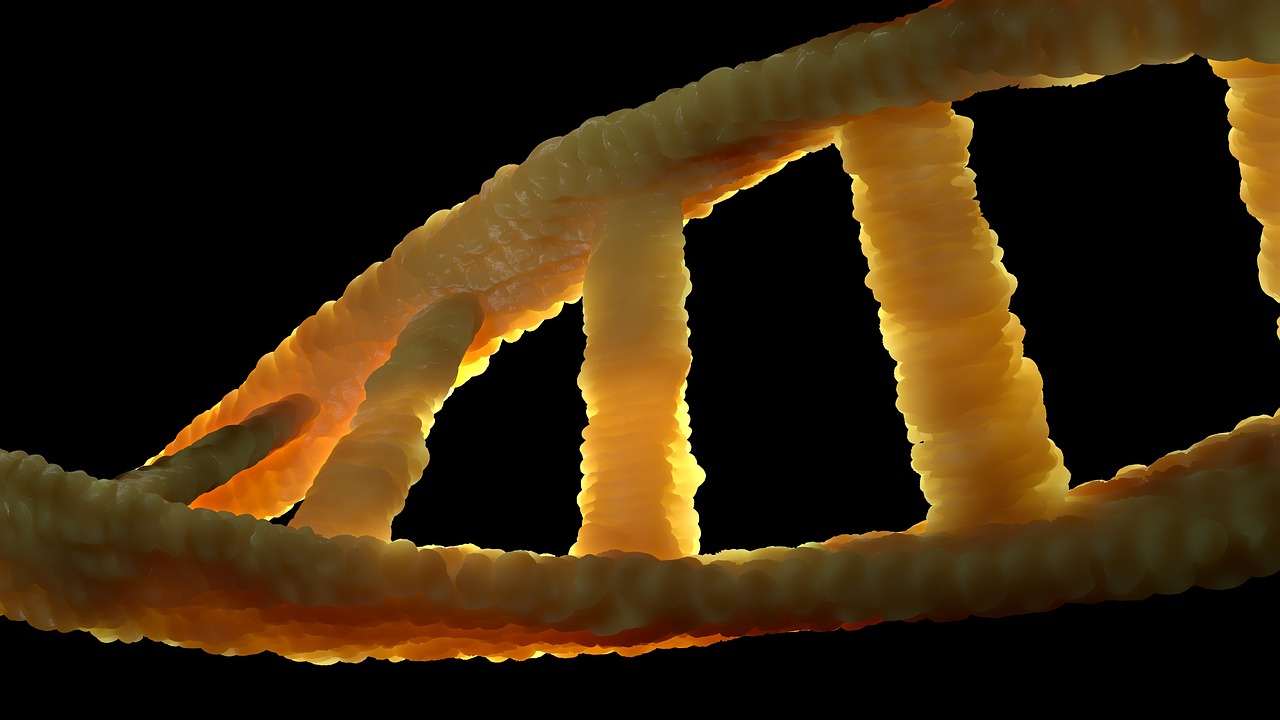
Genomic data is not a simple linear code. DNA folds into three‑dimensional structures, interacts with proteins, and changes its expression over time. Current machine‑learning models excel with clean, labeled datasets, but the genome offers a moving target with sparse, noisy annotations.
Researchers have pointed out that the available training data are far from comprehensive. Public repositories contain millions of sequences, yet they lack the contextual information needed to teach an algorithm how a gene behaves in different cell types or environmental conditions.
Key Obstacles That Show AI Isn’t Ready to Tackle Our Convoluted Genomes
Several technical hurdles keep AI from mastering genomics:
- Data heterogeneity: Sequencing platforms, sample preparation, and analysis pipelines produce inconsistent results, making it hard to aggregate data.
- Limited ground truth: Many functional elements are still unknown, so models cannot be validated against a definitive standard.
- Complex regulatory networks: Gene regulation involves layers of epigenetic marks, non‑coding RNAs, and three‑dimensional looping, none of which are fully captured in current datasets.
These gaps mean that even sophisticated deep‑learning architectures often overfit to the small, well‑studied regions of the genome and fail when applied to novel contexts.
Why the Topic Is Trending Now
Public interest spikes whenever a breakthrough claim appears in the media. The headline “Why AI Isn’t Ready to Tackle Our Convoluted Genomes” resonates because it tempers hype with a realistic appraisal. Scientists, investors, and policy makers are all searching for a balanced view of what AI can actually deliver in precision medicine.
At the same time, funding bodies are allocating billions to AI‑driven health projects. The mismatch between expectations and technical readiness creates a buzz that drives searches, articles, and conference panels.
What the Scientific Community Is Doing
Rather than waiting for a single model to solve the entire puzzle, researchers are building modular tools. Projects that combine transformer‑based language models with structural biology insights are emerging, but they remain experimental.
Open‑source initiatives encourage sharing of raw sequencing reads, epigenetic maps, and cell‑type specific expression profiles. The hope is that a richer, more diverse training pool will gradually close the performance gap.
Future Directions and Cautious Optimism
Progress is likely to come from interdisciplinary collaboration. Advances in cryo‑electron microscopy, for example, provide high‑resolution views of chromatin architecture that could be fed into AI pipelines.
In parallel, better benchmarking standards are being proposed to evaluate how well models predict functional outcomes across different organisms. Until such standards are widely adopted, claims of AI mastery over the genome should be taken with a grain of salt.
This article is based on publicly reported information at time of writing.