




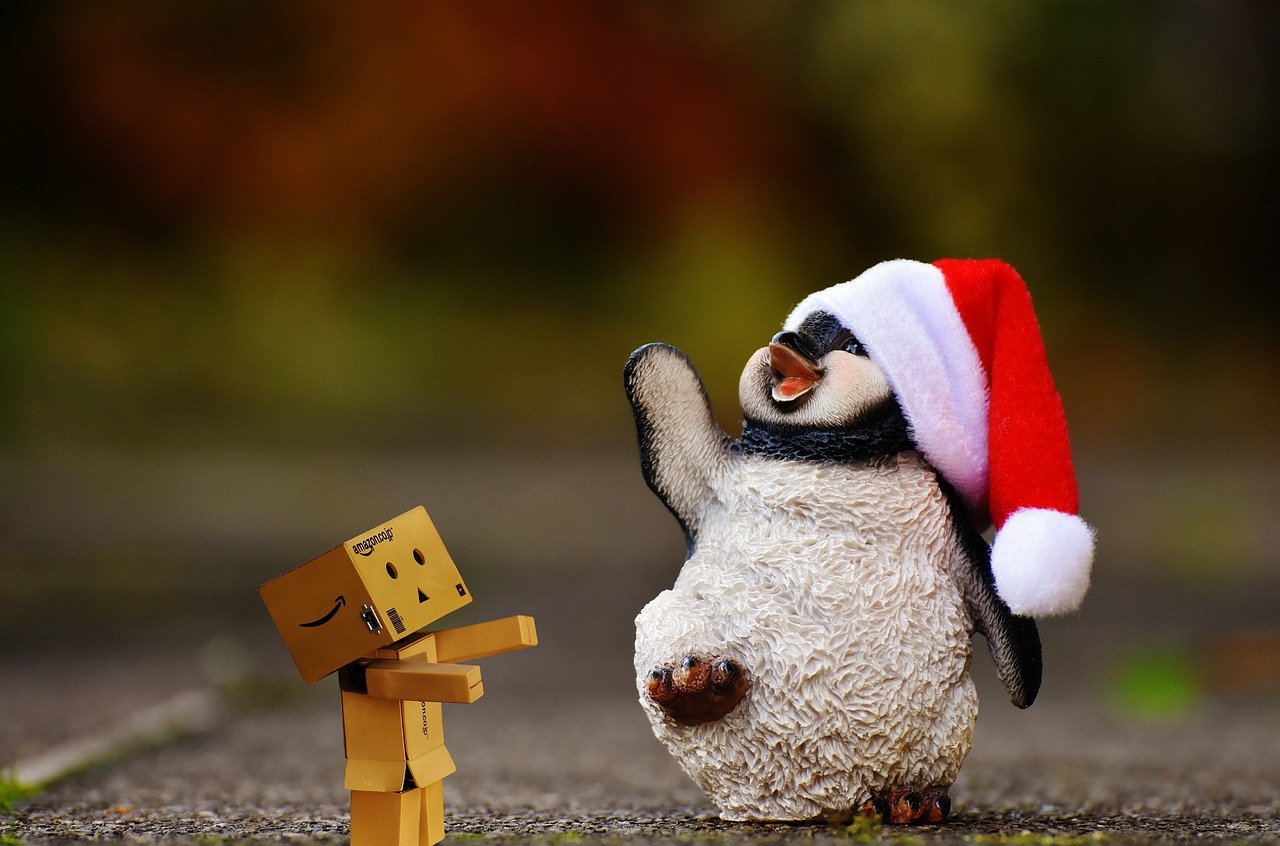
Imagine a tiny robot waddling across a living‑room rug, its feet tapping in rhythm while a soft R2‑D2‑style chime greets you. That scene has been replayed countless times on social media after Nvidia CEO Jensen Huang posted a video of the new Microduck robots, and the clip has turned the cute gadget into a must‑have holiday item.
Why Microduck robots are trending this season
The buzz began when Huang, a prominent figure in the AI community, demonstrated the toys’ playful behaviours—stomping, falling for a “nap,” and even doing a somersault on voice command. The endorsement from a tech leader gave the product instant credibility, and the video quickly amassed millions of views. Retailers reported that roughly 20,000 units sold within days, confirming strong consumer interest.
Features that set Microduck robots apart
Microduck robots blend low‑cost hardware with sophisticated AI algorithms that enable real‑time interaction. Key capabilities include:
- Voice‑activated commands that trigger specific movements.
- Responsive sensors that detect obstacles and adjust gait.
- Built‑in sound module that produces recognizable sci‑fi beeps.
- Compact design that fits easily on a desk or shelf.
These functions are powered by lightweight neural networks that run locally, meaning the toys do not rely on constant cloud connectivity. This design choice addresses privacy concerns while keeping latency low, a notable improvement over earlier AI‑enabled toys that required a constant internet link.
Impact on the AI‑enabled toys market
Microduck robots illustrate a broader shift toward affordable, AI‑driven consumer gadgets. Historically, AI toys have been either expensive prototypes or simple gimmicks with limited interactivity. By leveraging Nvidia’s own AI stack, the Microduck line demonstrates that advanced perception can be packaged at a price point accessible to a wide audience. Analysts predict that the success of these robots could encourage other manufacturers to adopt similar on‑device AI models, potentially expanding the market for smart toys beyond the premium segment.
What consumers can expect next
While the current version focuses on basic motions and sound effects, the underlying platform is designed for extensibility. Future firmware updates could introduce new gestures, language support, or even integration with smart‑home ecosystems. For hobbyists and developers, the open‑source SDK released alongside the product offers a sandbox for creating custom behaviours, turning the toy into a low‑cost robotics learning kit.
For parents and gift‑seekers, the immediate takeaway is clear: the Microduck robots combine novelty, interactivity, and a reputable tech endorsement, making them a standout option for holiday gifting. However, buyers should verify the availability of firmware updates and consider the toy’s battery life, which is not detailed in the initial reports.
Overall, the rapid sell‑through of 20,000 units underscores a growing appetite for AI‑infused playthings that feel both futuristic and approachable.
All information presented is based on publicly reported sources at the time of writing.