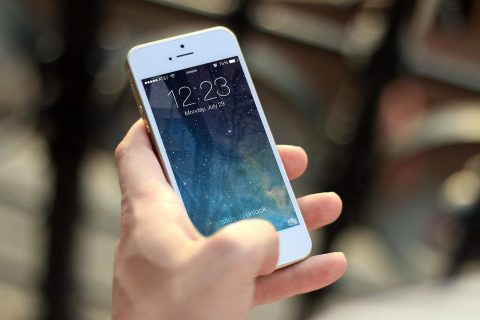








When Apple introduced Face ID, it set a new standard for seamless unlocking. The recent iPhone Duo, however, brings back Touch ID, and early reviewers are already noting a noticeable slowdown that feels out of step with the brand’s reputation for speed.
iPhone Duo Reviewers Really Miss Face ID
Multiple tech outlets that tested the iPhone Duo this week reported that the fingerprint sensor feels sluggish. Reviewers describe the delay as “jarring,” especially when compared to the instant response of Face ID on previous models. The sentiment is clear: users expect an unlock experience that matches the fluidity of Apple’s other biometric solutions.
iPhone Duo Reviewers Really Miss Face ID: Impact on Daily Use
In practical terms, the lag adds a few extra seconds to a routine action—unlocking the phone, approving a payment, or accessing secure apps. While a couple of seconds might seem trivial, the consistency of the delay can become irritating over a day of frequent use. For power users who rely on quick access, the perceived slowdown could affect overall satisfaction with the device.
What Reviewers Are Saying About the Unlock Experience
Critics from several media sites highlighted that the Touch ID sensor on the iPhone Duo is slower to recognize a fingerprint. The delay is not just a momentary hiccup; it appears to be built into the system. Marques Brownlee noted that Apple seems to have added an intentional pause to every unlock attempt, a design choice that contrasts sharply with the instantaneous nature of Face ID.
Other reviewers echoed this observation, noting that the sensor feels “tentative” and sometimes requires a second press to register. The feedback suggests that the experience may feel less reliable, particularly in low‑light conditions where fingerprint sensors traditionally struggle.
Potential Reasons Behind the Delay
Apple has not officially explained the added latency, but several theories are circulating:
- Security considerations: A brief pause could give the system extra time to verify the fingerprint against stored data, reducing false positives.
- Hardware integration: The new placement of Touch ID on the side button may require additional processing time compared to the traditional front‑mounted sensor.
- Software consistency: Apple might be standardizing the unlock timing across devices to avoid a perception of “cheating” by making one method faster than another.
Without an official statement, these remain educated guesses based on the patterns observed in the reviews.
What This Means for iPhone Duo Users
For current iPhone owners, the shift back to Touch ID introduces a trade‑off. While the sensor offers a familiar unlocking method, the added delay could affect workflow efficiency. Users who prioritize speed may find the experience less satisfying than the previous Face ID models.
Potential workarounds include:
- Ensuring the fingerprint is clean and dry for optimal sensor performance.
- Using alternative authentication methods, such as a passcode, for situations where speed is critical.
Apple may release software updates that fine‑tune the sensor’s response time, as it has done with previous biometric implementations. Keeping the device updated will be essential for anyone looking to mitigate the delay.
Overall, the iPhone Duo’s return to Touch ID is a notable shift in Apple’s biometric strategy, and the early feedback underscores the importance of seamless user experience in maintaining brand loyalty.
— This article is based on publicly reported information at the time of writing.