





On Friday, November 6, Apple began shipping its long‑awaited touchscreen Mac lineup to customers in Australia and New Zealand. The rollout marks the first time a Mac has featured a built‑in touch interface, a shift that could reshape how professionals and creators interact with macOS.
Apple’s First Touchscreen Mac Hits Shipments
Preorders placed months ago are now being fulfilled, with devices arriving at doorsteps across the two markets. Buyers who selected the PROLED touchscreen MacBook Pro, the OLED iPad mini, the M6‑powered MacBook Pro, or the M6 iMac are reporting delivery confirmations today.
What Apple’s First Touchscreen Mac Means for Users
The introduction of a touch‑enabled display on a Mac blurs the line between traditional laptops and tablets. While macOS has supported trackpad gestures for years, a direct touch surface opens new workflows for graphic designers, video editors, and developers who can now manipulate content with fingers as well as a mouse.
Early adopters are expected to share impressions on platforms such as the MacRumors forums, Reddit, and Instagram. Those conversations will give the broader community a clearer picture of performance, latency, and how well the touch layer integrates with existing macOS shortcuts.
Key devices in the first wave
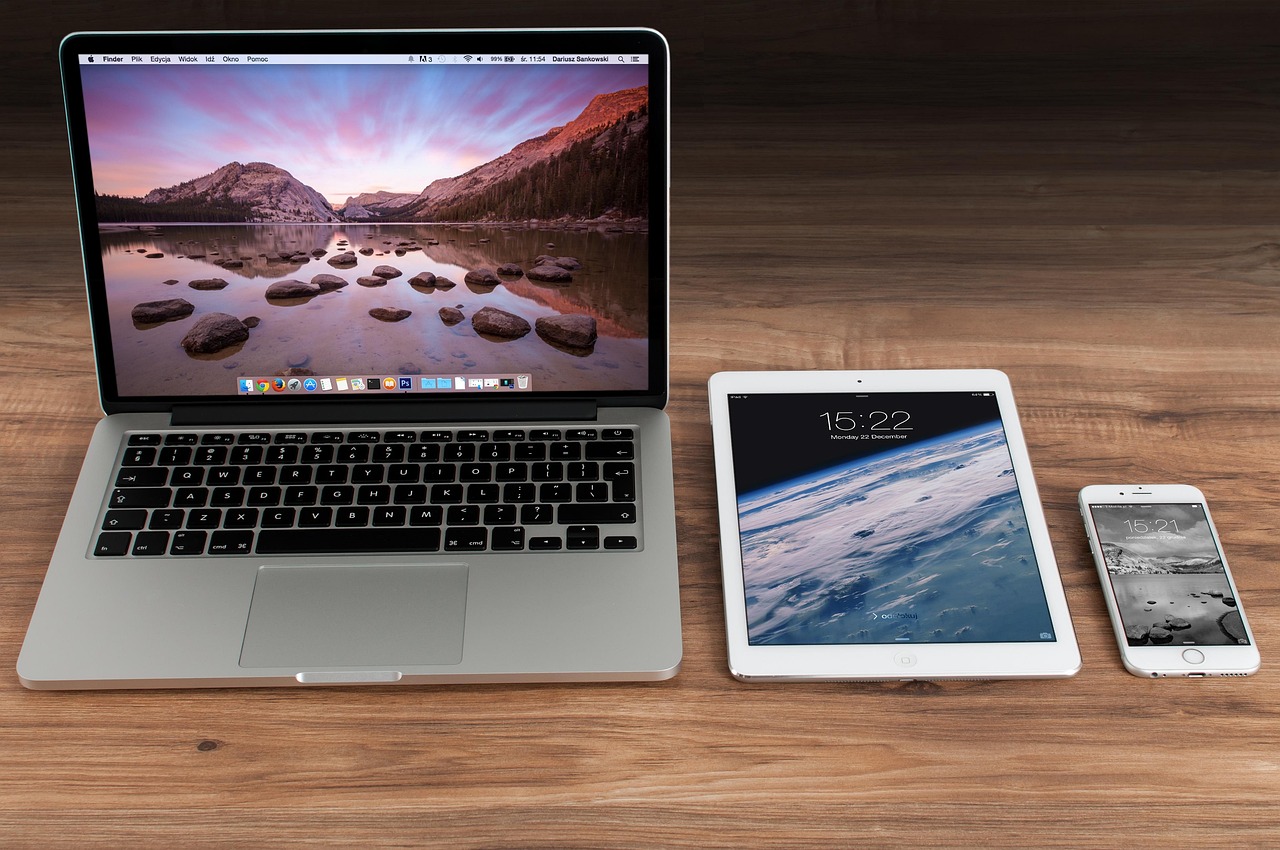
- PROLED Touchscreen MacBook Pro – a 14‑inch model featuring a high‑brightness PROLED panel and Apple’s latest M6 chip.
- OLED iPad mini – a compact tablet that complements the Mac lineup, offering a portable touch experience.
- M6 MacBook Pro – the standard MacBook Pro upgraded with the M6 processor and a new touch‑enabled display.
- M6 iMac – an all‑in‑one desktop that incorporates a touch screen for direct interaction with macOS.
All four products share a common hardware foundation: the M6 silicon, which promises improved performance per watt and better support for machine‑learning tasks that could benefit from touch gestures.
Why the Touchscreen Mac Is Trending Now
Search interest spiked as soon as Apple announced the delivery date. The novelty of a touchscreen Mac, combined with the timing of the release in the Southern Hemisphere, has driven regional media coverage and social‑media chatter. Consumers are curious about how the touch interface will affect software compatibility, especially for legacy Mac apps that were never designed for finger input.
Industry analysts note that Apple’s move aligns with broader market trends toward hybrid devices. Competitors have offered touch‑enabled laptops for years, but Apple’s integration of its own silicon and a custom display technology sets this launch apart.
What to Expect from Early User Feedback
First‑hand reports will likely focus on three areas: responsiveness of the touch layer, the ergonomics of using a keyboard and touch screen simultaneously, and any software updates needed to smooth the experience. Because macOS does not yet include a dedicated touch‑first UI mode, users may rely on third‑party apps or Apple’s upcoming updates to fully exploit the hardware.
For professionals, the ability to sketch directly on the screen using the Apple Pencil (if supported) could streamline creative workflows. For business users, touch gestures might speed up data entry and navigation in productivity suites.
Next Steps for Interested Buyers
Customers who missed the preorder window can keep an eye on Apple’s online store for restock announcements. Retail locations in Australia and New Zealand are also likely to receive inventory in the coming weeks, giving walk‑in shoppers a chance to experience the devices firsthand.
Potential buyers should consider how a touchscreen Mac fits into their existing ecosystem. If you already use an iPad with Sidecar or Universal Control, the new hardware could deepen that integration. Conversely, if your workflow relies heavily on keyboard shortcuts, you may want to test the touch response before committing.
Overall, Apple’s first touchscreen Mac represents a strategic expansion of the Mac family, aiming to capture users who value both the power of macOS and the immediacy of touch interaction.
All information in this article is based on publicly reported sources at the time of writing.