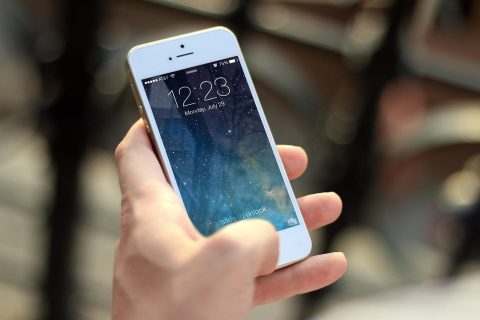






In recent weeks, the Italian city of Ancona has become a flashpoint for discussions about corporate spending, luxury meals, and the price of Apple’s flagship devices. Reports from local media detail a series of extravagant expenses tied to city officials, including iPhones priced at roughly €1,300 each, prompting questions about procurement practices and the broader perception of Apple products in the public sector.
Why Ancona’s iPhone Purchases Grab Attention
The focus on Ancona stems from the combination of two factors: unusually high‑priced iPhones and the public nature of the expenditures. While premium iPhone models can command prices above €1,000 in Europe, the reported cost of €1,300 per device suggests the inclusion of accessories, insurance, or possibly higher‑end configurations that are not typical for standard municipal use.
City officials also faced scrutiny for hosting gala‑style dinners that cost up to €7,000, a figure that dwarfs ordinary public‑service meals. The juxtaposition of luxury dining and expensive Apple hardware has amplified media interest, especially among readers who follow Apple’s product pricing and corporate responsibility.
What the Ancona Scandal Means for Apple Users
For Apple enthusiasts, the Ancona case serves as a reminder that the brand’s premium pricing can become a point of contention when applied to public funds. The controversy does not reflect a change in Apple’s pricing strategy, but it does illustrate how high‑end devices can be perceived when purchased with taxpayer money.
Apple’s ecosystem offers benefits—security, regular updates, and a unified platform—that many municipalities value. However, the Ancona episode highlights the importance of transparent procurement policies that justify the added cost of top‑tier iPhones over more modest alternatives.
Context Behind the Spending Decisions
Mayor Fabio Silvetti’s decision to dismiss Andrea Ciccarelli, the head of Ancona Servizi, was framed as a “necessary act” after media reports revealed “excessive” expenses on meals and alcohol. The mayor’s statement emphasized accountability, noting that public officials must avoid the appearance of impropriety.
While the exact breakdown of the €1,300 iPhone price tag is not publicly disclosed, it aligns with the cost of Apple’s Pro Max models equipped with maximum storage, plus potential enterprise‑level service contracts. Such configurations are often justified for roles that require extensive data handling, secure communications, or on‑the‑go access to city management apps.
Implications for Corporate Procurement in the IT Sector
IT departments in both the public and private sectors can draw lessons from the Ancona situation. When evaluating Apple devices, decision‑makers should consider total cost of ownership, which includes device price, warranty extensions, mobile device management (MDM) solutions, and accessory bundles.
Establishing clear criteria—such as required storage, security features, and expected usage patterns—helps avoid over‑specifying hardware. Transparent bidding processes and public disclosure of expenses can also mitigate reputational risks associated with perceived extravagance.
What Readers Can Do Next
If you are an Apple user or an IT professional responsible for device procurement, consider the following steps:
- Review the actual needs of each role before selecting a model; a standard iPhone may suffice for many tasks.
- Negotiate enterprise agreements that bundle devices, support, and MDM services to achieve better pricing.
- Document and publish procurement decisions to maintain transparency, especially when public funds are involved.
Staying informed about how high‑end Apple products are positioned in public contracts can help you advocate for responsible spending while still leveraging the advantages of the Apple ecosystem.
This article is based on publicly reported information at the time of writing.
Source: Il Resto del Carlino