







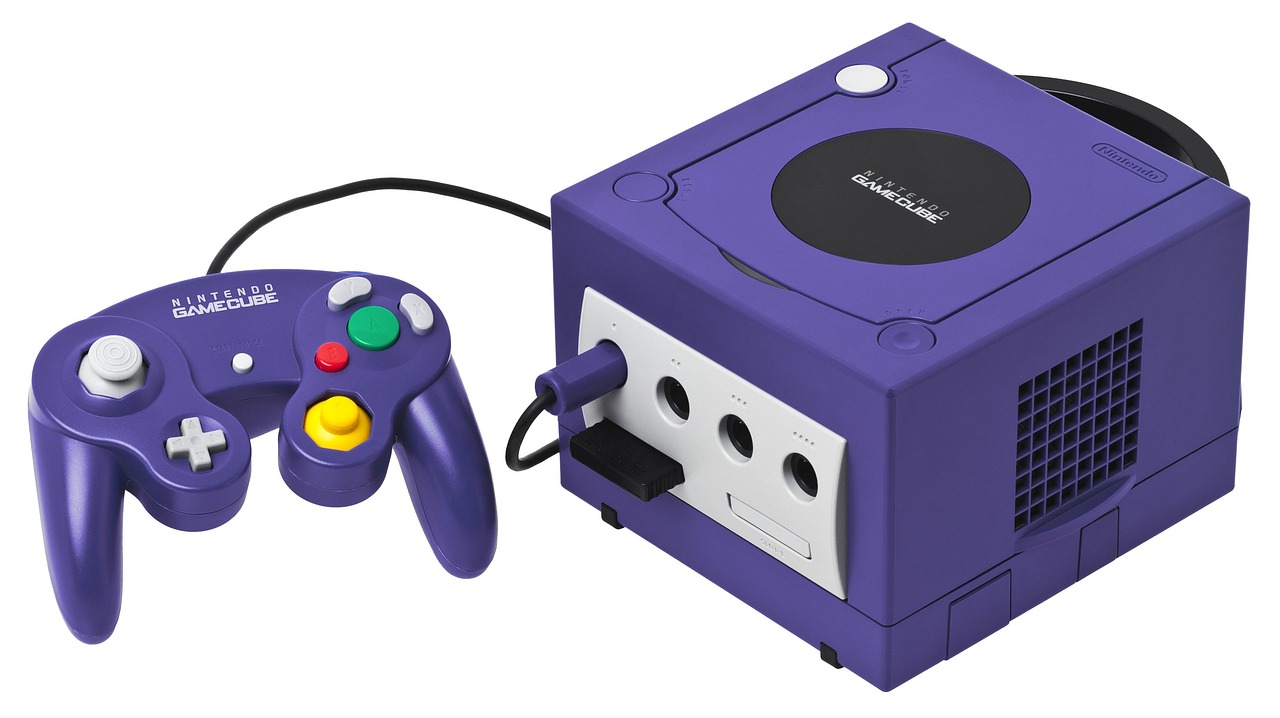
Imagine opening a web browser and finding a fully playable Halo match that runs on nothing but JavaScript, or seeing The Legend of Zelda: The Wind Waker rendered on an iPhone without any official port. Those scenes are no longer anecdotes; they are the latest products of a surge in Retro gaming AI projects that are spreading across social media.
Retro gaming AI: A viral wave of unexpected ports
Over the past month, dozens of videos and repositories have gone viral showing classic titles—Super Smash Bros., Halo, Wind Waker—re‑imagined for platforms they never targeted. The common denominator is a set of generative AI tools that can write code, convert assets, and even simulate hardware behavior. Developers feed a description into a large language model, receive a draft of the emulator or port, then polish it with image‑generation models that recreate textures at the appropriate resolution.
Why the surge is happening now
Three technical trends converged in early 2024. First, large language models have become adept at interpreting programming prompts and producing syntactically correct code in languages ranging from JavaScript to C++. Second, diffusion models can upscale or stylize sprites, making it easier to adapt low‑resolution graphics for modern displays. Third, cloud‑based execution environments let hobbyists run compiled binaries directly in a browser, removing the need for local emulators.
Because these tools are publicly accessible, the barrier to creating a retro‑style demo has dropped dramatically. What once required months of reverse‑engineering can now be assembled in hours, and the results are shared on platforms like TikTok, Reddit, and YouTube, fueling a feedback loop of curiosity and replication.
Retro gaming AI: What it means for developers and fans
For professional studios, the trend raises both opportunities and concerns. On the positive side, AI‑assisted prototyping can speed up the creation of nostalgic spin‑offs or remasters, allowing teams to test market interest with minimal investment. On the negative side, unauthorized ports may infringe on intellectual property, prompting legal warnings from rights holders.
Fans benefit from a richer ecosystem of fan‑made experiences, but they also face a fragmented landscape where quality varies widely. Some projects are polished enough to run smoothly on mobile devices, while others break under the weight of generated code.
How to engage responsibly
- Check the licensing status of the original game before redistributing any AI‑generated version.
- Use reputable AI platforms that provide transparency about model training data.
- Contribute improvements back to the community, but clearly label which parts are AI‑generated.
Practical steps for readers who want to experiment
If you are curious about trying Retro gaming AI yourself, start with a simple target—a 2D platformer from the 1990s. Prompt a language model to produce a basic HTML5 canvas emulator, then ask an image model to upscale the sprite sheet. Test the result in a browser, iterate on performance tweaks, and share the outcome on a developer forum.
Remember that AI tools are still imperfect; generated code may contain security vulnerabilities or inefficient loops. Treat the output as a scaffold rather than a finished product, and always review the code before execution.
As the community continues to experiment, the line between fan‑made homage and commercial product will blur, prompting platforms and publishers to reconsider how they protect and monetize classic titles.
This article is based on publicly reported information at the time of writing.
Source: AI | The Verge