






Understanding Lightning in the Indian Monsoon
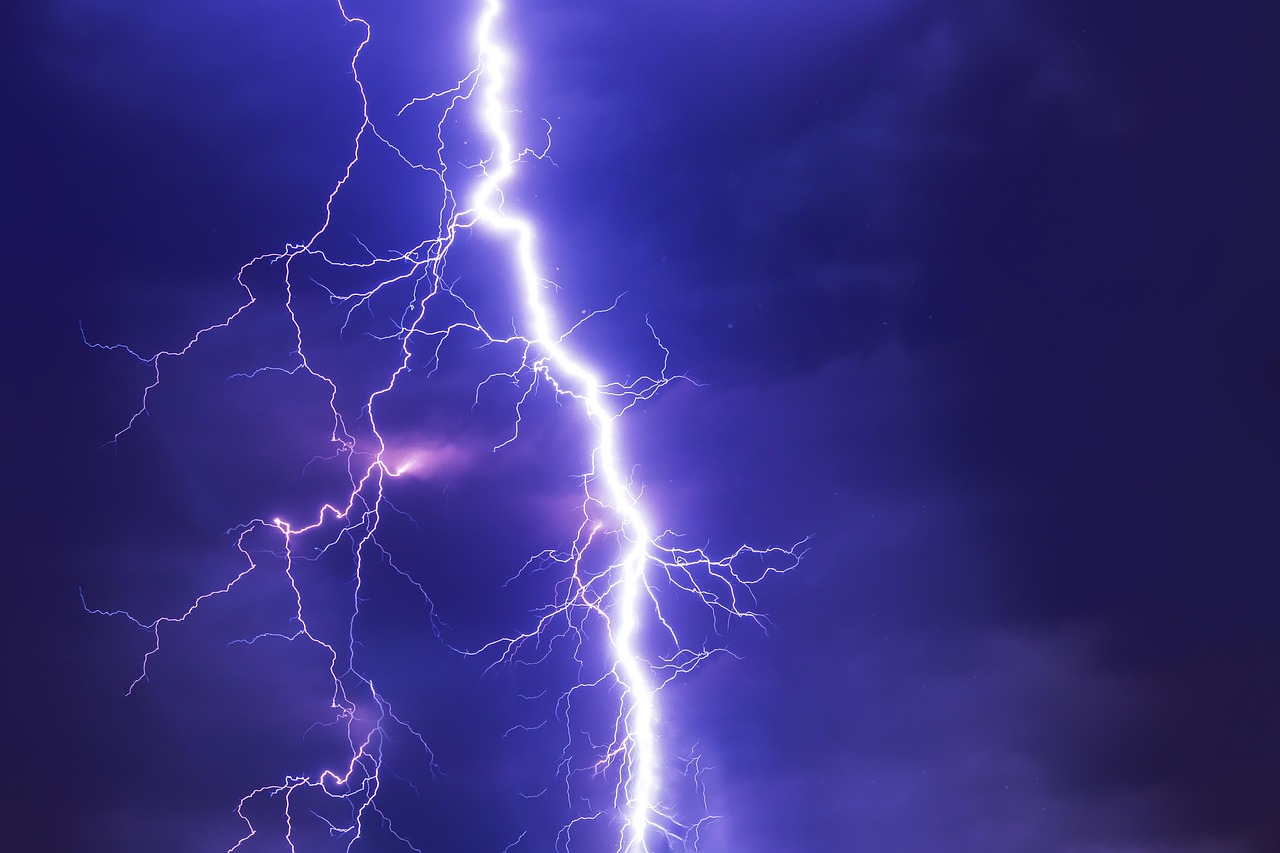
Ever wondered why lightning strikes seem more frequent during India’s monsoon season? The combination of warm, moist air and intense low‑pressure systems creates the perfect electrical environment for thunderstorms. As the monsoon advances, the atmosphere becomes increasingly unstable, leading to more frequent lightning activity.
In Tamil Nadu, the Chennai Weather Research Center has warned that the current monsoon bout will remain intense until the 25th of this month, after which a gradual weakening is expected. This pattern aligns with the typical peak of the southwest monsoon, when the Bay of Bengal supplies abundant moisture that fuels storm development across the southern states.
Recent Lightning Alerts and What They Indicate
On the same day, an orange alert was issued for 17 districts, including Madurai and Coimbatore. While the alert primarily addresses heavy rain and potential flooding, it also signals heightened lightning risk. Meteorological agencies often couple rainfall warnings with lightning advisories because strong downdrafts in heavy storms can trigger frequent electrical discharges.
Thanthi TV reported a new low‑pressure area moving eastward, with forecasts suggesting that the situation will intensify tomorrow. Low‑pressure systems lower the atmospheric pressure, encouraging upward motion of warm air. This vertical motion is a key driver of the charge separation that ultimately produces lightning.
Why People Are Searching for Lightning Now
Public interest spikes when weather services issue alerts that mention lightning. Residents of affected districts check online for safety guidelines, real‑time storm tracking, and updates on power outages. The recent orange alerts have pushed many to search for “lightning safety” and “monsoon thunderstorms” in Tamil Nadu.
Social media platforms also amplify the conversation, as users share photos of bright flashes and discuss local impacts. This digital chatter feeds the search trend, creating a feedback loop between official warnings and public curiosity.
Practical Steps to Stay Safe During Lightning
- Avoid open fields, tall trees, and metal structures when thunderstorms are forecast.
- Stay indoors and keep away from electrical appliances and plumbing.
- If you are caught outside, crouch low with your feet together and minimize contact with the ground.
Authorities in Tamil Nadu recommend that schools and workplaces suspend outdoor activities during periods of elevated lightning risk. Following these precautions can reduce injuries and prevent property damage.
Overall, the current monsoon dynamics, reinforced by low‑pressure development, explain the surge in lightning reports across the region. Monitoring alerts from reputable meteorological agencies remains the best way to stay informed and protect oneself.
This article is based on publicly reported information at the time of writing.
Source: Polimer News