



When a former president posts a side‑by‑side comparison of a historic column and a “restored” version, most readers expect a simple brag about preservation work. Instead, the image shared on Truth Social raised questions about authenticity, because Google’s AI detector flagged it as likely generated by artificial intelligence.
What the Trump AI-edited photo shows
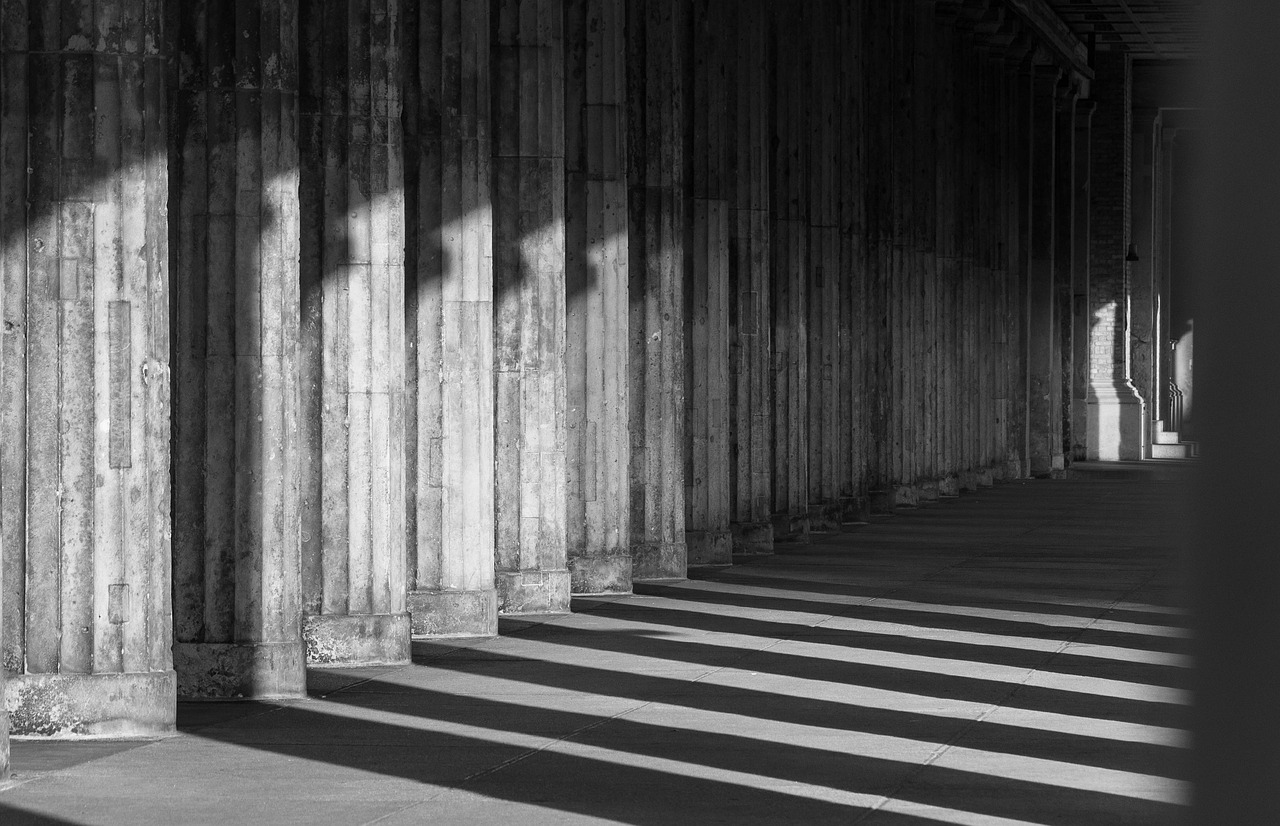
The post featured two photos: an archival shot of a White House column taken decades ago, and a modern picture that Trump presented as the same column after recent renovations. Subtle visual differences—such as altered lighting, inconsistent shadows, and a slightly different column profile—prompted experts to suspect digital manipulation.
Why the AI edit matters for the White House restoration narrative
Restoration of the White House is a regular, often costly, undertaking overseen by the National Park Service. By portraying a dramatic before‑and‑after, the former president aimed to highlight his administration’s claimed achievements. If the image was indeed AI‑enhanced, it blurs the line between genuine progress reporting and promotional spin.
How AI‑detection tools responded
Google’s AI detection service labeled the image as “made or edited by AI,” citing irregularities common in synthetic media. The tool does not provide a definitive verdict, but its flagging adds weight to the skepticism expressed by journalists and fact‑checkers.
Public reaction and media coverage
Online users quickly shared the post, noting the visual oddities. Commentators on technology sites highlighted the broader issue of political figures using AI‑generated visuals to shape public perception. The story was picked up by major tech news outlets, which emphasized the potential for AI to amplify misinformation in real‑time social feeds.
Background on White House restoration efforts
The White House undergoes periodic renovations to address structural wear, modernize facilities, and preserve historic elements. Past projects have included structural reinforcement, interior redesign, and upgrades to security systems. These efforts are usually documented through official channels, with before‑and‑after photos released by the White House Historical Association or the National Park Service.
Implications for political communication
Using AI‑altered images can give a political figure a visual shortcut to claim success without waiting for official reports. This practice raises ethical questions about transparency, especially when the audience may not be equipped to detect sophisticated edits.
- AI tools can quickly generate convincing “before‑and‑after” visuals.
- Fact‑checking organizations rely on detection software and expert analysis to assess authenticity.
- Social platforms lack built‑in verification for AI‑generated content, leaving users to judge credibility.
As AI image generators become more accessible, the line between genuine documentation and fabricated visual evidence will continue to shrink. Observers recommend a cautious approach: verify sources, compare with official archives, and consult independent detection tools before accepting such images at face value.
This article is based on publicly reported information at the time of writing.
Source: AI | The Verge