






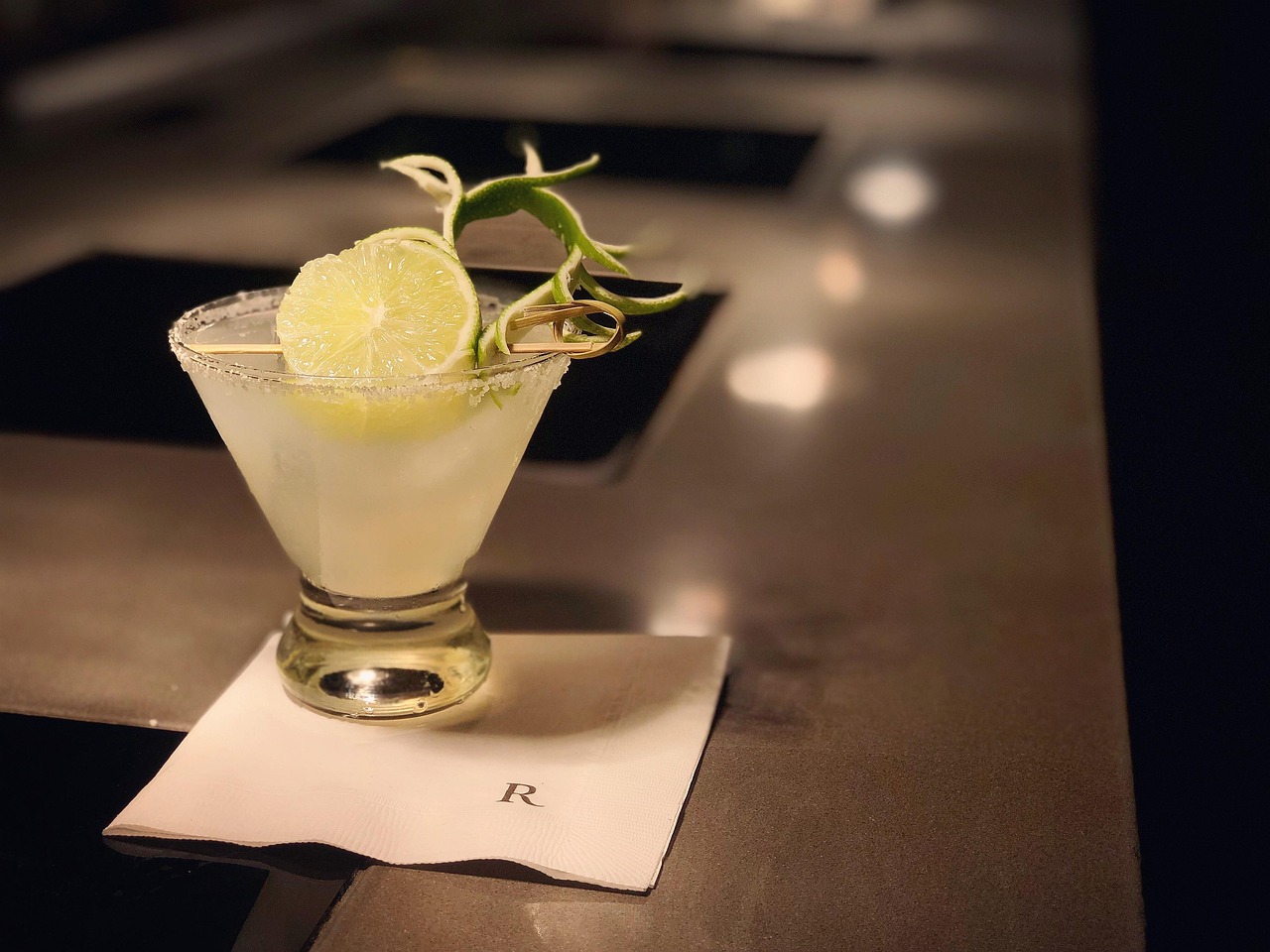
When a group of diners ordered a classic margarita at a popular chain, they expected lime and salt, not a chemical burn. The unexpected injury at several Chili’s locations has turned a routine happy hour into a national conversation about restaurant safety.
What Happened at Chili’s Restaurants?
According to reports from multiple news outlets, patrons in North Carolina experienced burns after drinking margaritas whose rims were inadvertently coated with a degreaser used for cleaning. The chemical, intended for kitchen surfaces, left a residue that caused skin irritation and, in some cases, more severe burns. Affected customers have described the sensation as a burning sting that appeared shortly after the first sip.
Why the Story Is Trending
Within hours of the initial incidents, social media platforms were flooded with photos of the damaged glasses and first‑hand accounts of the pain. Hashtags related to the chain and the incident trended on Twitter and TikTok, prompting journalists from The New York Times, USA Today, and Newser to publish follow‑up pieces. The rapid spread of the story reflects a broader public interest in food‑service safety and the potential for accidental chemical exposure.
Background on Restaurant Cleaning Practices
Restaurant kitchens routinely use industrial‑strength degreasers to remove oil and food residue from grills, fryers, and countertops. These products are effective but can be hazardous if they come into contact with food or drinkware. Standard operating procedures typically require thorough rinsing and separate storage of cleaning chemicals, yet human error can lead to cross‑contamination, as appears to have occurred in this case.
Regulatory and Industry Response
State health officials in North Carolina opened an investigation to determine whether the chain followed proper sanitation protocols. The U.S. Food and Drug Administration (FDA) has not issued a formal recall, but it routinely monitors such incidents for patterns that might indicate broader compliance issues. Chili’s corporate communications released a statement acknowledging the reports and pledging a review of its cleaning and glass‑handling procedures.
What Consumers Are Asking
Customers are demanding answers about how a cleaning agent could reach a beverage rim and what steps will be taken to prevent a repeat. Questions on consumer forums focus on whether the affected locations are isolated or part of a larger systemic problem. The heightened scrutiny has also sparked discussions about the transparency of restaurant safety audits.
Steps the Chain Is Taking
In response, Chili’s has reportedly begun retraining staff on chemical handling and introduced additional checks before glasses are presented to guests. The chain is also working with its suppliers to verify that labeling and storage guidelines are being followed precisely. While the company has not disclosed a timeline for a full rollout, the measures aim to restore confidence among diners.
Practical Tips for Diners
- Inspect the rim of any cocktail glass for unusual residues before drinking.
- Report any odd taste, smell, or irritation to staff immediately.
- Ask about the restaurant’s cleaning protocols if you have concerns.
Broader Implications for the Food Service Industry
The incident underscores the delicate balance between maintaining a spotless kitchen and ensuring that cleaning agents never intersect with consumables. It also highlights the role of real‑time reporting in prompting swift corrective action. As more establishments adopt stricter segregation of chemicals and consumables, the likelihood of similar events may decline.
This article is based on publicly reported information at the time of writing.
Source: The New York Times