







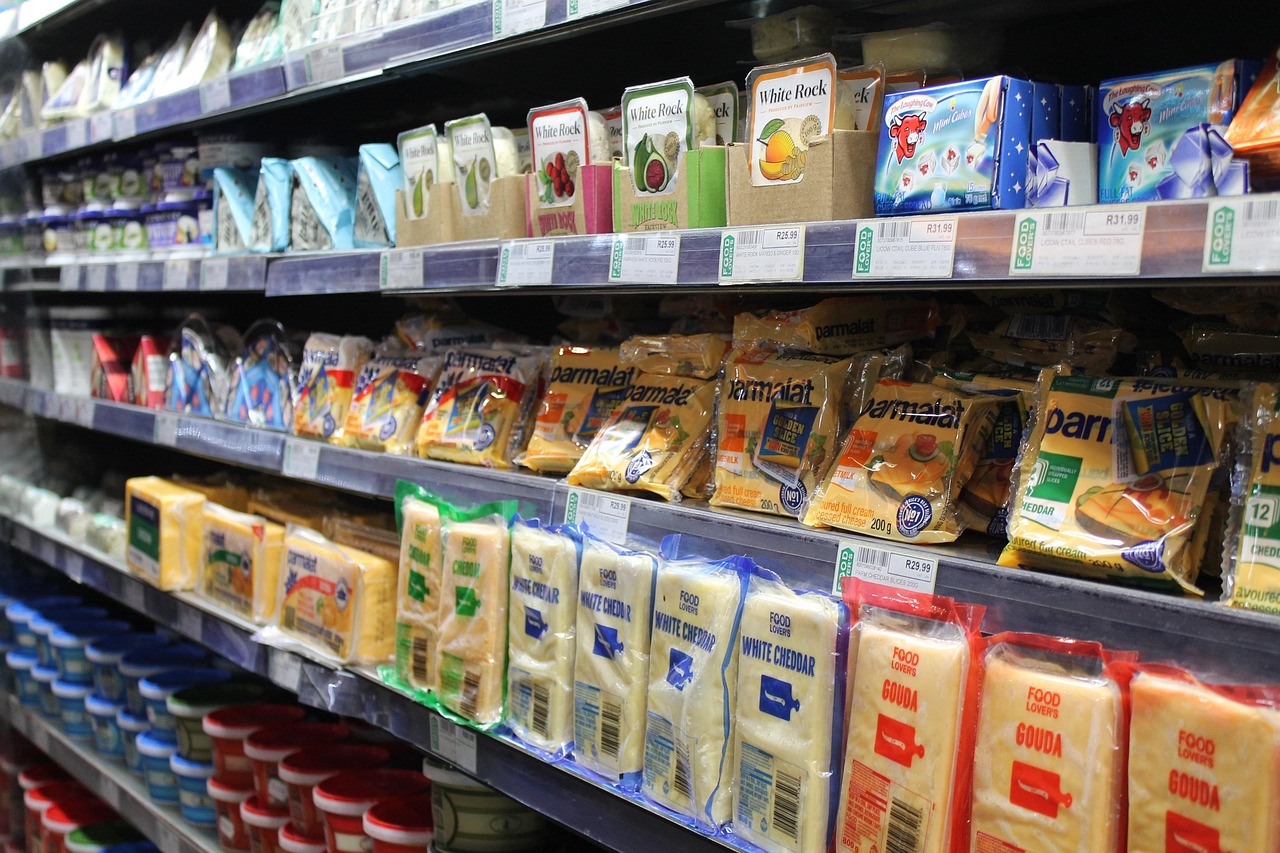
Imagine walking into a grocery store only to see freezers steaming at 50 °C – a scene that recently unfolded across several European countries after coordinated hacker attacks.
Why the recent hacker attacks matter
The incidents, reported in Italy, Sweden, Belgium and other nations, targeted the refrigeration systems of large retail chains. By manipulating IoT controllers, attackers raised freezer temperatures to dangerous levels, forcing stores to discard perishable goods and halt sales. The disruption highlights a growing vulnerability: critical retail infrastructure is now a prime target for cyber‑crime.
How hacker groups exploit AI tools
Modern threat actors increasingly rely on artificial intelligence to automate reconnaissance, craft phishing payloads and identify weak points in industrial control systems. AI‑driven malware can adapt to different hardware configurations, making it easier to breach the diverse refrigeration units used by supermarkets. While the exact tools used in these attacks have not been disclosed, the pattern aligns with known AI‑assisted ransomware campaigns that scan for vulnerable devices on corporate networks.
Key technical factors
- IoT devices often run outdated firmware, lacking built‑in security patches.
- Default or weak credentials remain common in legacy equipment.
- AI‑enabled scanning tools can locate exposed endpoints within minutes.
What retailers can do with AI tools today
For businesses, the same AI capabilities that empower attackers can also reinforce defenses. AI‑based anomaly detection platforms monitor temperature sensors in real time, flagging sudden spikes that may indicate tampering. Machine‑learning models can also predict which devices are most at risk, allowing IT teams to prioritize updates before a breach occurs.
Practical steps for supermarket operators include:
- Deploy AI‑powered network monitoring that alerts on unusual command‑and‑control traffic.
- Implement regular firmware updates and enforce strong, unique passwords for all IoT controllers.
- Segment the retail network so that refrigeration systems are isolated from point‑of‑sale and customer Wi‑Fi zones.
- Run AI‑enhanced penetration tests to uncover hidden vulnerabilities in the supply‑chain hardware.
By integrating these measures, retailers can reduce the attack surface and respond more quickly if a breach occurs.
Overall, the surge in hacker activity against supermarkets underscores the need for smarter, AI‑driven security strategies that keep pace with evolving threats.
This article is based on publicly reported information at time of writing.
Source: Sky TG24