


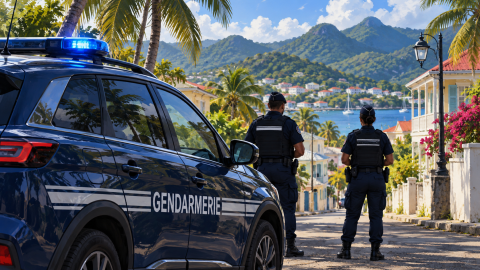



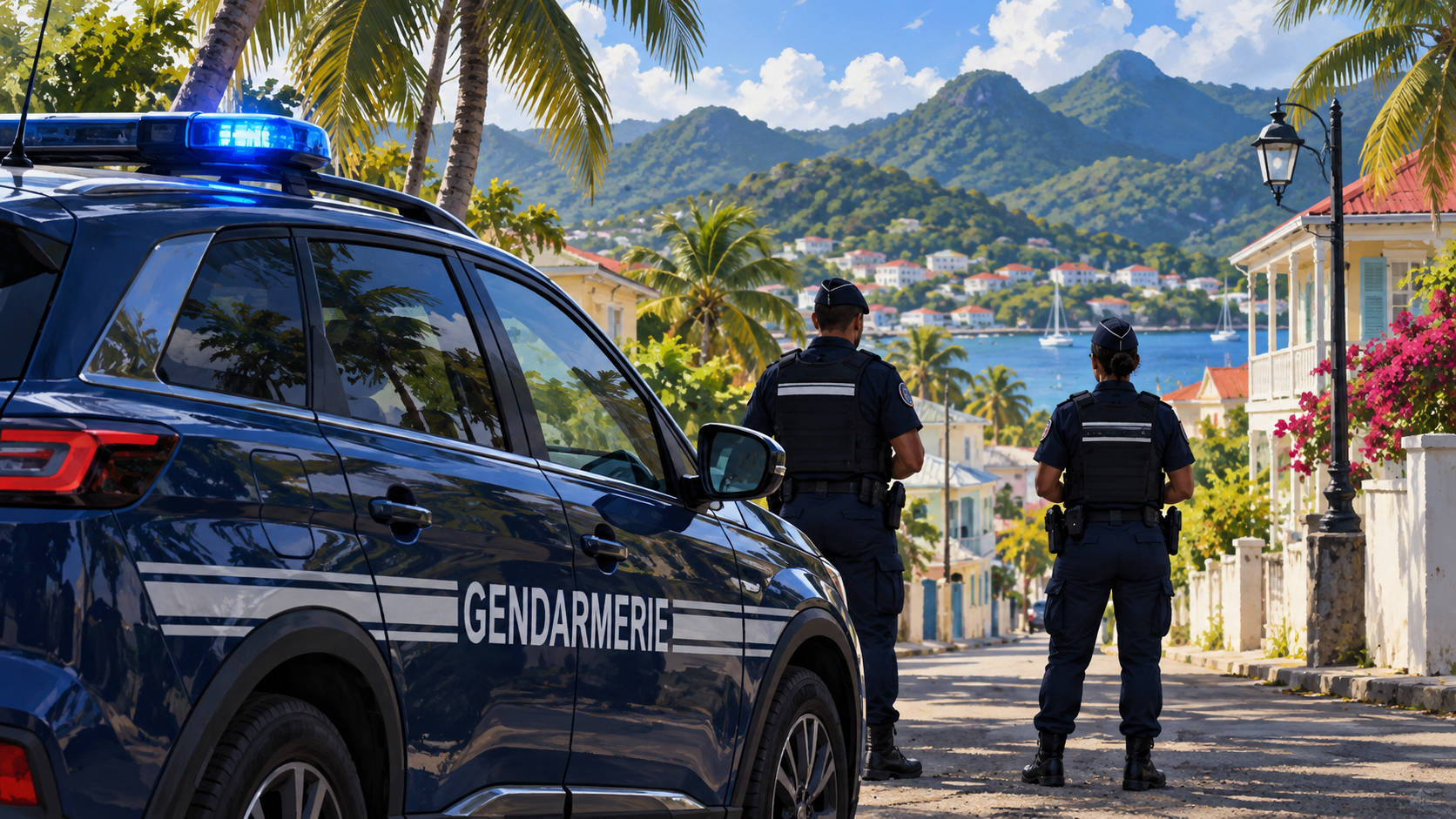
When a police operation turns violent, the public’s attention spikes, and online searches follow. Over the past few days the term gendarmerie has surged in France, driven by reports of two gendarmes seriously injured by gunfire during a judicial raid in Guadeloupe.
Gendarmerie response in Guadeloupe
According to several French news outlets, the incident occurred in the town of Les Abymes. Two members of the elite GIGN unit were shot and suffered severe injuries while executing a judicial operation. The local authorities, led by Interior Minister Laurent Nuñez, announced the arrest of four suspects linked to the attack.
Why the search term is trending
Search spikes often reflect a combination of shock, uncertainty, and the need for reliable information. The gendarmerie, a military‑styled police force in France, is less familiar to the general public than the national police. When members are targeted, especially in overseas territories, citizens turn to the internet to understand the institution, its mandate, and the broader security context.
Gendarmerie role in French security
The French gendarmerie operates under the Ministry of the Armed Forces and is responsible for law enforcement in rural areas, overseas departments, and certain specialized missions such as counter‑terrorism. Its elite units, like the GIGN, handle high‑risk interventions, hostage situations, and armed confrontations.
Background on the Guadeloupe operation
The operation in Les Abymes was part of an ongoing judicial investigation, though the precise nature of the case has not been disclosed publicly. What is clear from the reports is that the gendarmes encountered armed resistance, resulting in gunfire that left the two officers gravely wounded.
- Location: Les Abymes, Guadeloupe (French overseas department)
- Units involved: GIGN (National Gendarmerie Intervention Group)
- Outcome: Two gendarmes seriously injured; four suspects arrested
Legal and security implications
Arrests of the four suspects suggest that law‑enforcement agencies have sufficient evidence to pursue prosecution. The incident also raises questions about the security environment in Guadeloupe, an island that has experienced occasional unrest linked to drug trafficking and organized crime.
For the gendarmerie, the event underscores the risks faced by its personnel during high‑stakes operations. It may prompt a review of tactical protocols, especially in overseas territories where logistical challenges and local dynamics differ from mainland France.
Public reaction and future outlook
Social media conversations in French have been dominated by expressions of solidarity with the injured officers and calls for stronger protection of law‑enforcement agents. At the same time, advocacy groups have urged transparency regarding the circumstances that led to the shooting.
Going forward, the gendarmerie is expected to release more details as investigations progress. The incident is likely to influence public discourse on security policy in France’s overseas regions and may affect future deployment strategies of elite units.
This article is based on publicly reported information at the time of writing.