





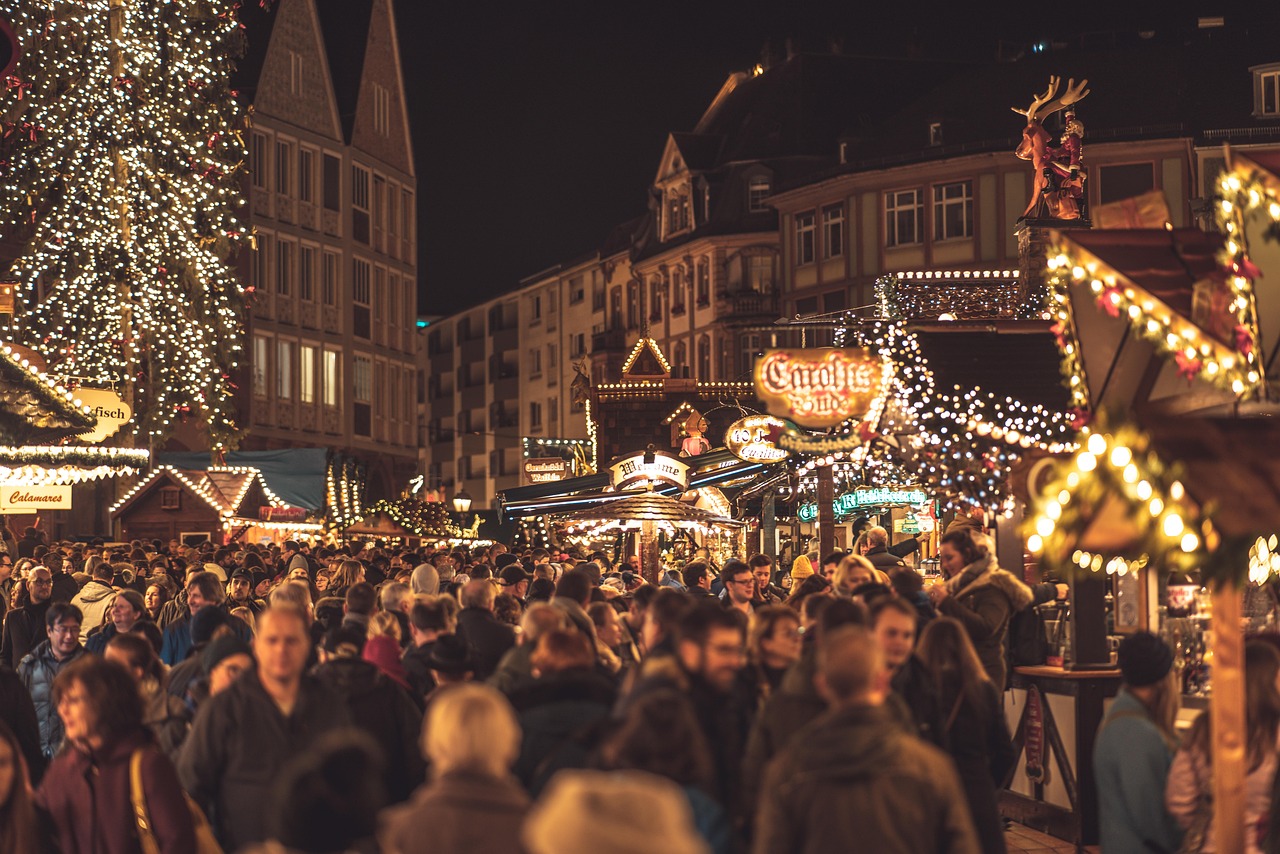
A bomb exploded at Magdeburg’s central Christmas market on a frosty December night, killing six people and injuring many more. The shocking event has propelled the city’s name to the top of German search trends as citizens seek answers.
Authorities confirmed the blast occurred near the market’s main pavilion, a location that usually hosts thousands of visitors each year. Emergency services responded quickly, but the scale of the explosion overwhelmed initial rescue efforts.
Online searches for “Magdeburg” surged in the days following the attack, reflecting a mix of grief, curiosity, and demand for reliable information. Media outlets across the country have been publishing updates, adding to the public’s focus on the city.
Magdeburg Attack Triggers Legal Scrutiny
In response, the General Prosecutor’s Office launched a comprehensive probe into the incident. Prosecutors have obtained search warrants for the offices of the organization that runs the market, looking for documentation on security planning.
The investigation now centres on the market’s managing director, who faces formal charges for alleged negligence. Legal experts note that German law permits holding private event organizers accountable if they fail to meet established safety standards.
Investigators are reviewing contracts with security firms, risk‑assessment reports, and correspondence between the organizer and municipal authorities. Early statements suggest that certain recommended measures may not have been fully implemented.
Impact on the City’s Christmas Market
The market, a historic tradition dating back to the 16th century, was shut down immediately after the explosion. City officials announced a temporary suspension of all related festivities while a safety audit is conducted.
Local businesses that depend on the market’s seasonal traffic have reported significant financial strain. The chamber of commerce is lobbying for emergency subsidies to help merchants recover.
Residents expressed a deep sense of loss, describing the market as a “winter heart” of Magdeburg. Community groups have organized vigils and memorials to honour the victims and to signal solidarity.
Plans to rebuild the market for the next holiday season are already being discussed. Officials emphasize that any future edition will incorporate stricter security protocols, including increased police presence and enhanced surveillance.
Broader Security Context in Germany
The Magdeburg incident adds to a series of attacks on public gatherings in Germany over the past decade. Each event has prompted revisions to national guidelines on crowd safety and emergency response.
Security experts argue that the responsibility for protecting large events is shared between public authorities and private organizers. The current case highlights potential gaps in coordination and oversight.
Parliamentary committees are expected to review the findings of the Magdeburg probe, with a view to updating legislation on event licensing. Public debate is focusing on how to balance cultural traditions with the need for robust protection.
Key developments identified by investigators include:
- Potential non‑compliance with mandatory risk‑assessment procedures.
- Alleged delays in communicating security concerns to municipal officials.
- Review of surveillance footage to pinpoint the source of the explosive device.
While the legal process unfolds, the city’s mayor has pledged ongoing support for victims’ families and for the broader community. Regular briefings are being held to keep the public informed about investigative progress.
Understanding the surge in “Magdeburg” searches helps illustrate how a single tragic event can reshape public discourse, influence policy, and affect everyday life in a historic German city.
This article is based on publicly reported information at the time of writing.